Best Battery Impedance Tester for Accurate Measurements?
In the world of batteries, accurate measurements are crucial. A Battery Impedance Tester serves as a vital tool for professionals. Its primary role is to evaluate battery health and performance. With the right tester, users can identify issues before they escalate, saving time and resources.
Choosing the best Battery Impedance Tester can be challenging. Factors like design, accuracy, and user-friendliness come into play. Some testers offer advanced features, while others remain straightforward. Each option has its strengths and weaknesses, highlighting the importance of understanding your specific needs.
This decision requires careful consideration. Not all testers provide reliable results. Depending on the application, a less expensive model might suit your needs just fine. However, trusting low-quality equipment can lead to costly mistakes. Therefore, evaluating your options with a discerning eye is essential.
Understanding Battery Impedance Testing and Its Importance
Battery impedance testing plays a crucial role in assessing battery health. This method measures the internal resistance of a battery to determine its condition and performance. According to a report by the Electric Power Research Institute, about 60% of battery failures can be attributed to impedance-related issues. Regular impedance testing helps identify these problems early, enabling timely interventions.
Understanding the significance of accurate impedance measurements can be vital. A high internal resistance often indicates sulfation or corrosion within the battery. These conditions can significantly reduce the battery's overall efficiency. Data from the International Journal of Electrical Engineering shows that batteries with lower impedance values typically exhibit a longer lifespan and better charge acceptance. However, inconsistencies in measurement techniques can lead to inaccurate assessments, highlighting the need for reliable testing equipment.
Many users overlook the importance of choosing the right impedance tester. Not all devices provide equally accurate readings. Some may yield false results, leading to misguided maintenance decisions. Professionals often recommend cross-verifying results with different devices to ensure reliability. Regular training on testing techniques is also essential. This approach fosters greater understanding and competency, ultimately leading to optimized battery management practices.
Types of Battery Impedance Testers on the Market
Battery impedance testers are essential for evaluating battery health. Different types of testers exist, each with unique features. The primary categories are handheld testers, bench testers, and automated systems.
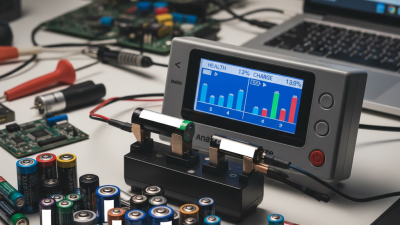
Handheld testers are user-friendly and portable. They are suitable for field testing, allowing quick assessments of battery performance. According to a recent report by TechNavio, handheld devices account for nearly 40% of the market share in battery testing. They typically measure the internal resistance of batteries, providing insights into the state of charge and overall condition.
Bench testers offer more detailed analysis. These devices may come with advanced features like data logging and connectivity with computers for detailed diagnostics. Data from ResearchAndMarkets shows that bench testers are popular in commercial applications, especially in industries where battery reliability is critical. However, they are often bulky and not ideal for on-the-go assessments.
Automated systems, while expensive, provide the most comprehensive testing capabilities. They can simultaneously test multiple batteries, making them invaluable for large-scale operations.
In the battery testing landscape, choosing the right type hinges on your specific needs. Budget constraints and the frequency of testing can also influence decisions. Consider a solution that balances accuracy with practicality for best results.
Key Features to Look for in a Battery Impedance Tester
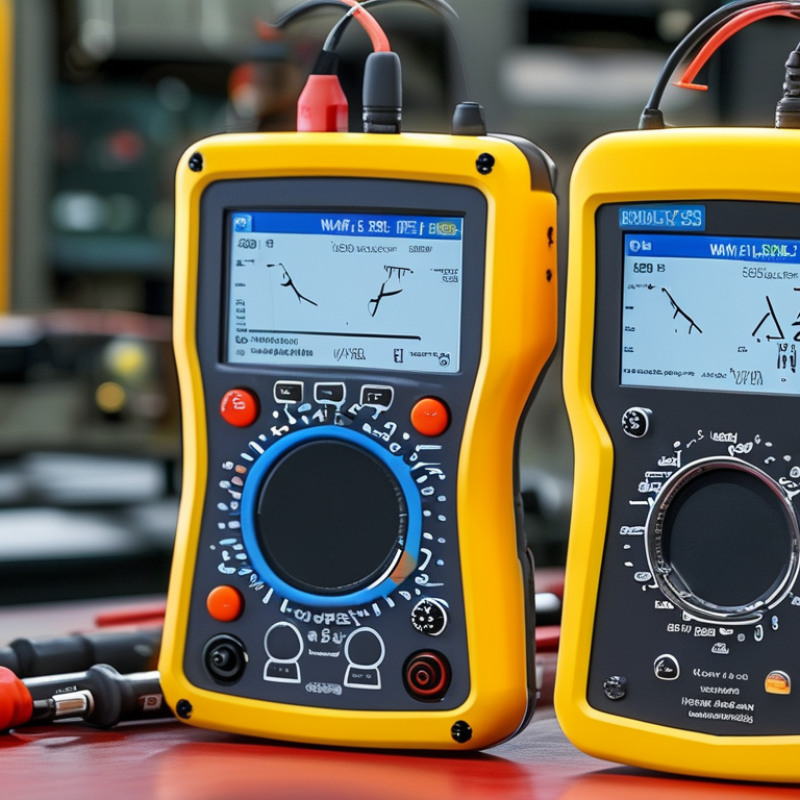
When choosing a battery impedance tester, key features should guide your selection process. Look for testers that display detailed measurements. A digital display showing both impedance and voltage provides clarity. Ease of use is also crucial. Opt for a device that is portable and lightweight. This ensures that you can take accurate measurements anywhere without hassle.
Consider the frequency range of the tester. Models with a broad frequency range can offer more precise readings. A reliable battery impedance tester should also have built-in safety features. This includes over-voltage protection and current limiting. Such features prevent damage to both the tester and the battery being assessed.
Finally, check the calibration process. Regular calibration ensures accuracy over time. A tester that shows signs of drift or inconsistent readings may lead to misleading results. Maintaining good practices with your battery impedance tester will help you make more informed decisions. Accurate assessments can save costs and prolong the life of your batteries.
How to Use a Battery Impedance Tester for Accurate Measurements
Using a battery impedance tester can unlock precise measurements essential for battery maintenance. To begin, ensure that the tester is calibrated correctly. An uncalibrated device can produce misleading readings. According to recent studies, accurate impedance measurements can predict battery failure with up to 90% accuracy. This level of precision is critical for applications in industries reliant on battery performance.
When connecting the tester, clean the battery terminals. Corrosion or dirt can introduce resistance, skewing results. Aim for a connection time of no more than five seconds. Prolonged connections often lead to heating, which affects impedance readings. A common finding is that impedance increases significantly when batteries are not maintained properly, sometimes rising by over 20% as they age.
It's important to follow the manufacturer's instructions for optimal outcomes. Different testers may require unique procedures. Many technicians overlook the need to take multiple measurements. Repeating the test can help verify accuracy, especially if initial readings are inconsistent. While battery impedance testing is a science, it also sometimes involves a trial-and-error approach. This sentiment often leads to valuable learning moments in the process.
Top Recommended Battery Impedance Testers in 2023
When it comes to battery maintenance, an accurate impedance tester is crucial.
These devices provide insights into battery health that standard voltage tests cannot reveal. In 2023, a myriad of battery impedance testers emerged, catering to both professionals and DIY enthusiasts. Many of these testers are user-friendly but still deliver precise measurements.
Depending on your needs, the right tester can vary significantly. Some models focus on high current applications, while others are better suited for consumer electronics. The ideal tester should come with clear displays and straightforward instructions. Many users find that simplicity aids reliability.
However, some testers may lack advanced features, which could be a limitation for professionals. Calibration and regular maintenance are essential for accurate readings. Users often overlook this step, which can lead to skewed results. Another common issue is battery connection; poor connections can significantly affect the impedance measurement.
Investing in a reliable model can prevent these pitfalls, ensuring accurate and dependable results for various battery types.

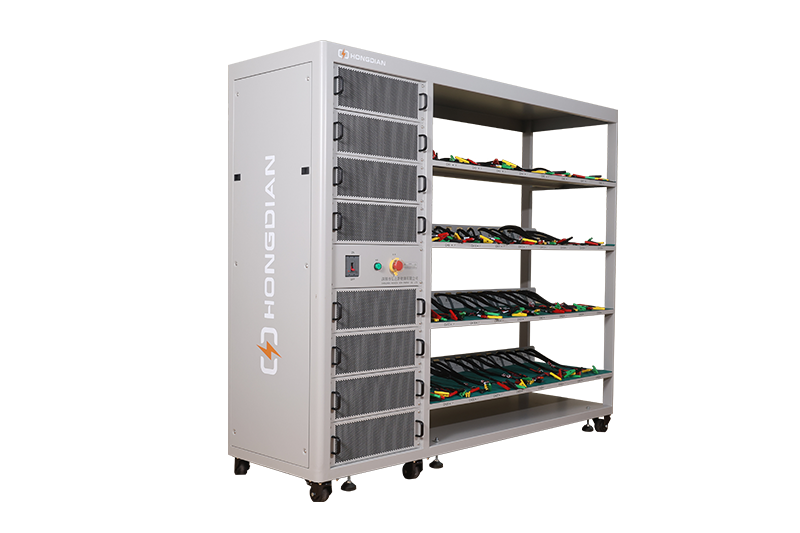 32/48 channel battery charging and discharging test integrated battery cabinet
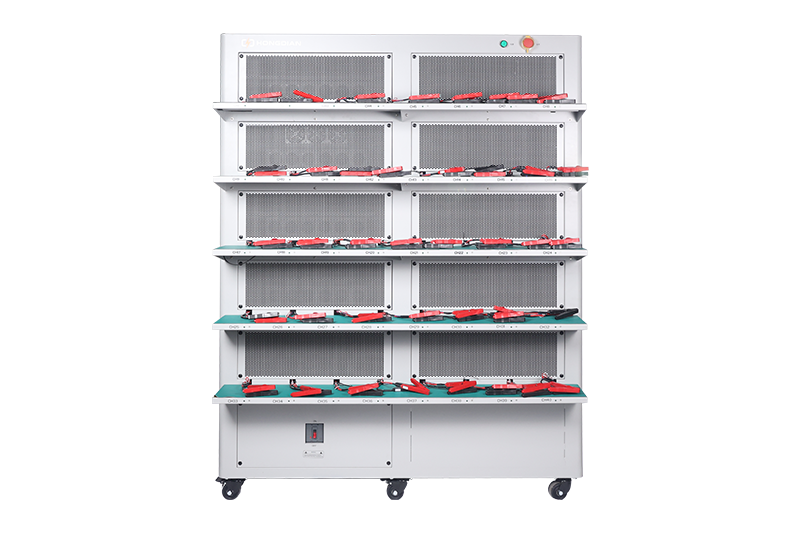 40 channel battery charging and discharging test integrated battery cabinet
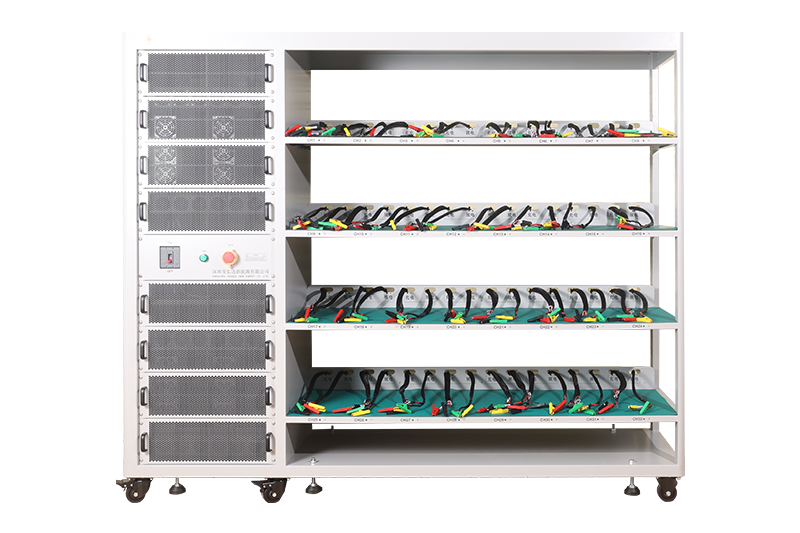 64 channel battery charging and discharging test integrated battery cabinet
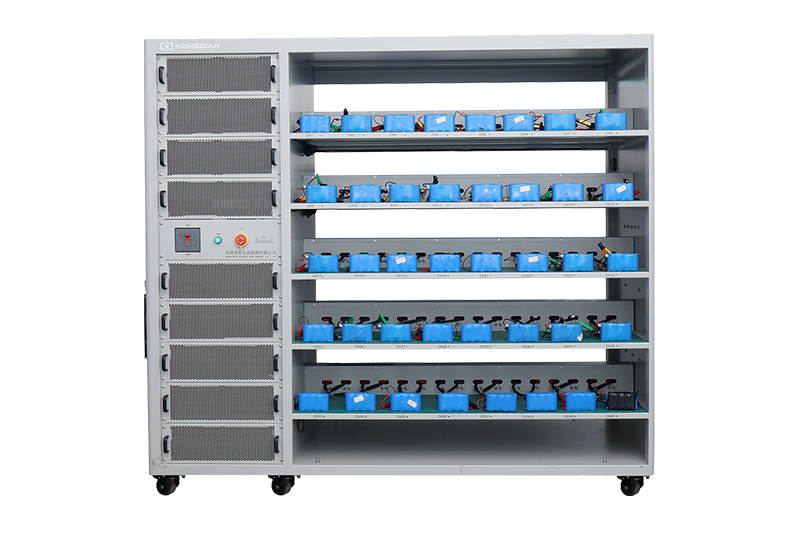 80 channel battery charging and discharging test integrated battery cabinet
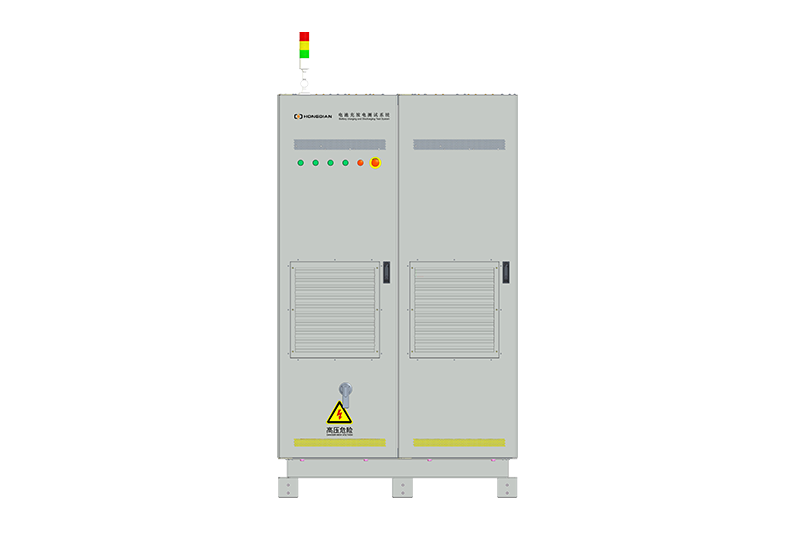 1000V-1500V High Voltage High Current Battery Testing System
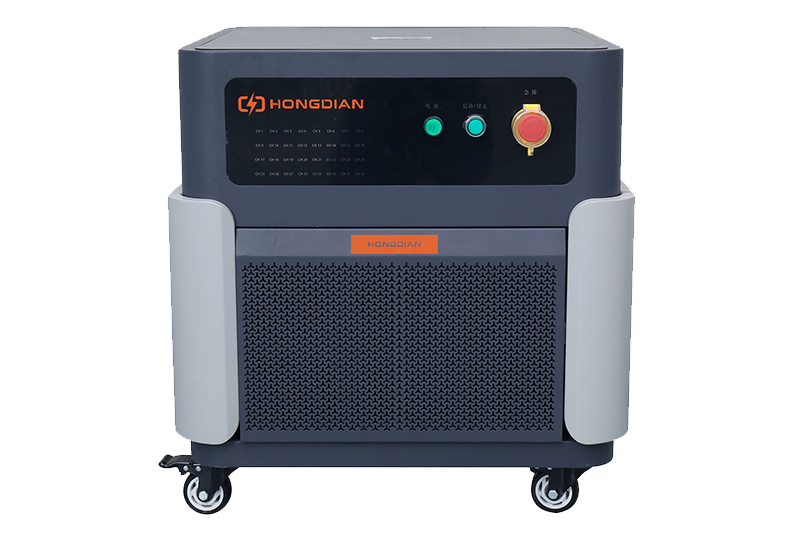 High-Precision Battery Testing System for Enhanced Performance Monitoring 30V/60V/100V/120V
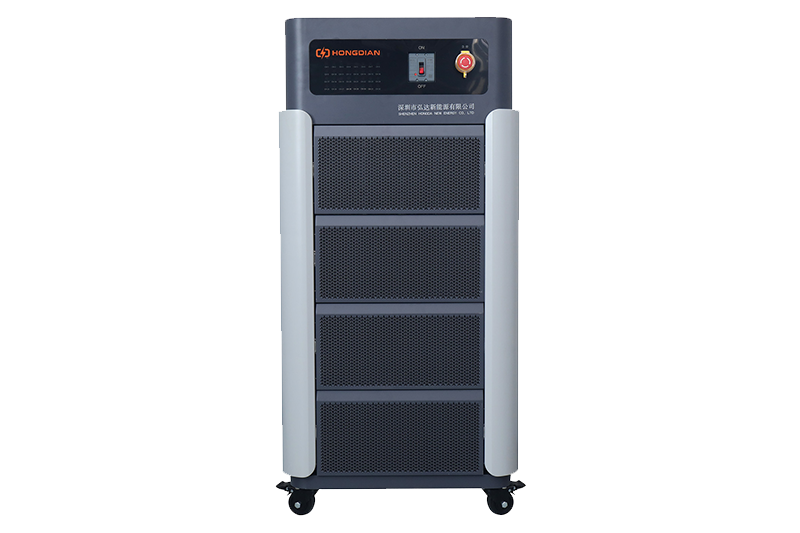 High-Precision Battery Charge Discharge Test Systems for EV Manufacturers
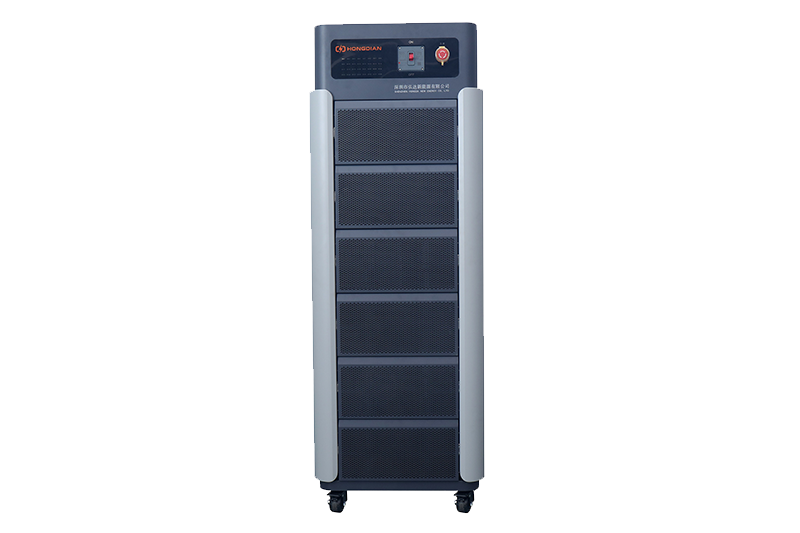 Precision Battery Test Racks for Cell Capacity & Internal Resistance Measurement
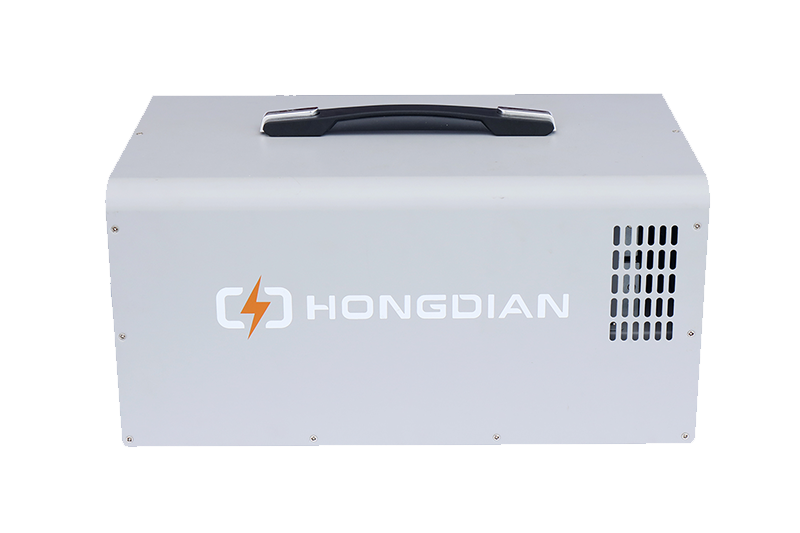 Multi-Channel Battery Testing Equipment for Parallel Performance Analysis