Top Tips for Choosing the Best Battery Amp Tester for Accurate Readings
When it comes to ensuring the longevity and efficient performance of your batteries, having a reliable Battery Amp Tester is essential. This tool not only helps in diagnosing battery health but also provides critical insights into the current output and overall capacity of the battery. Whether you are a DIY enthusiast, a professional technician, or simply looking to maintain your household devices, choosing the right tester can make a significant difference in the accuracy of your readings and the decisions you make based on them.
In this guide, we will explore the top tips for selecting the best Battery Amp Tester to meet your specific needs. From understanding the different types of testers available to recognizing the key features that enhance accuracy and usability, this overview aims to equip you with the knowledge necessary to make an informed choice. Accurately measuring battery performance not only extends the life of your batteries but also can prevent potentially hazardous situations arising from battery failure. By focusing on the critical aspects of a Battery Amp Tester, you can ensure your projects run smoothly and safely.

Understanding the Importance of Battery Amp Testers for Accuracy
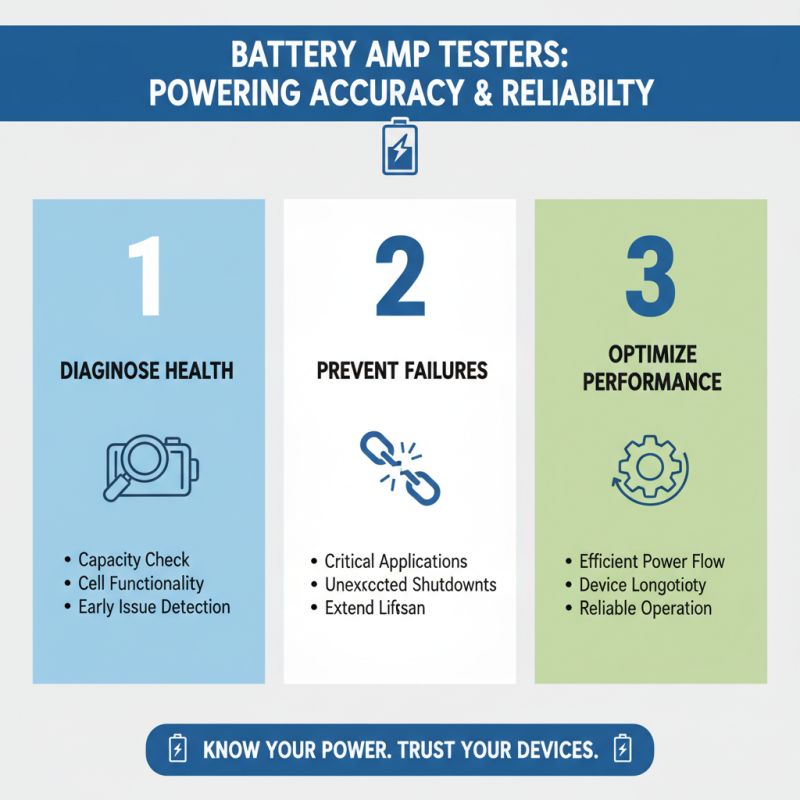
Battery amp testers play a crucial role in ensuring that batteries perform accurately and reliably. An accurate reading from a tester can give users a clearer understanding of their battery's health, capacity, and functionality. Without proper testing, one may overlook potential issues that could lead to unexpected failures, especially in critical applications. Understanding the electrical current flowing through a battery is essential not only for maintenance but also for optimizing the overall performance of devices reliant on battery power.
When selecting a battery amp tester, it's important to consider features that enhance accuracy. Look for testers that offer a range of measurement capabilities, providing insights into both current draw and overall battery health. Additionally, consider testers with built-in safety features that prevent overloads and ensure user safety during operation. A well-chosen amp tester can facilitate pre-emptive actions, allowing users to replace or recharge batteries before they fail, thus minimizing downtime and enhancing the reliability of equipment.
Key Features to Look for in a Quality Battery Amp Tester
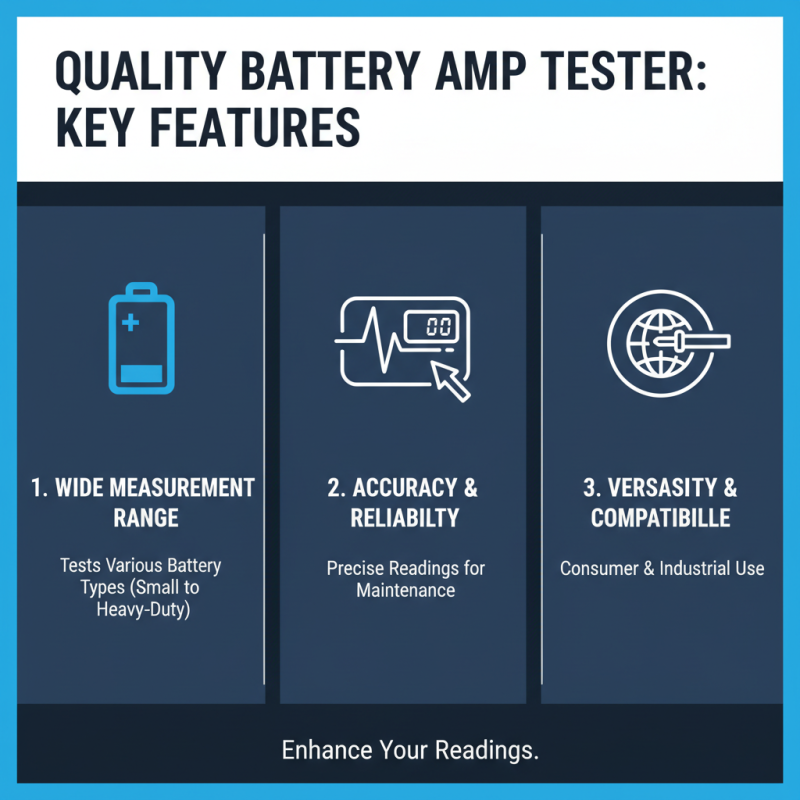
When selecting a quality battery amp tester, certain key features can significantly enhance the accuracy and reliability of your readings. First and foremost, look for a tester with a wide range of measurement capabilities. A good battery amp tester should effectively measure various currents, allowing you to test different types of batteries, from small consumer batteries to heavy-duty ones. This versatility ensures that regardless of the battery type, you can obtain precise readings, which are crucial for maintenance and troubleshooting.
Additionally, consider the ease of use and the display features of the tester. A high-quality tester should have a clear, backlit display that provides easy-to-read metrics. Some models offer digital displays with real-time readings, which can be extremely helpful in quickly assessing battery performance under load. User-friendly interfaces with intuitive controls will make the testing process more efficient, particularly for those who may not be experts in battery technology. Finally, check for safety features such as overload protection, which is essential for preventing damage to both the tester and the batteries being evaluated.
Types of Battery Amp Testers: Choosing the Right One for Your Needs
When selecting the right battery amp tester, understanding the different types available on the market is crucial for achieving accurate readings and meeting your specific needs. There are primarily three types: analog testers, digital testers, and load testers.
Analog testers are simple to use, offering clear, direct readings with a gauge dial. However, for those seeking precise measurements and additional features like data logging, digital testers are a superior choice. Load testers, on the other hand, are specifically designed to evaluate the performance of a battery under load, which is essential for assessing a battery's true capacity.
Here are some tips for choosing the best battery amp tester for your needs:
- First, consider the maximum amp range you require. It’s essential to select a tester that can handle the capacity of the batteries you will be testing.
- Second, look for features such as ease of use and display readability. A tester with a backlit display may be advantageous in low-light conditions.
- Lastly, prioritize testers that offer safety features, such as overheating protection and reverse polarity alarms, to ensure safe operation during your testing processes.
These considerations will help you make an informed decision and optimize your battery testing experience.
How to Use a Battery Amp Tester for Maximum Accuracy
Using a battery amp tester accurately is essential for maintaining the health of batteries and optimizing performance in various applications. To ensure maximum accuracy when using a battery amp tester, it’s important to follow a few best practices. First, make sure the tester is properly calibrated and that you are using it within its specified range. According to data from the Battery Council International, maintaining battery charge levels above 75% can significantly extend battery life, making regular testing crucial for early identification of potential issues.
When conducting a test, always use the correct testing procedure. Begin with disconnecting the battery from any connected loads to prevent mixed readings. Connect the amp tester directly between the battery terminals and the load, ensuring all connections are secure to avoid voltage drops that can lead to inaccurate results. According to a study by the International Renewable Energy Agency, incorrect connections can produce deviations of up to 20% in amp hour measurements, underscoring the importance of attention to detail during this process. Additionally, consider the environmental conditions—testing in extreme temperatures can affect the battery performance and, consequently, the accuracy of your readings. Regular testing under controlled conditions provides a more reliable assessment of battery health over time.
Battery Amp Tester Performance Comparison
Common Mistakes to Avoid When Selecting a Battery Amp Tester
When selecting a battery amp tester, it’s crucial to avoid common mistakes that can lead to inaccurate readings and poor performance. One of the most frequent errors is overlooking the specifications of the tester. Not all testers measure the same range of current, so it's important to choose one that suits your specific needs, whether for automotive batteries or other applications. Always check the amp capacity and ensure it meets the requirements of the batteries you intend to test.
Another mistake to watch out for is neglecting the calibration and accuracy of the tester. Some budget models may not provide reliable readings, leading to misconceptions about battery health. Investing in a tester that has a reputation for accuracy can save you time and money in the long run. Be sure to look for testers that offer features such as overload protection and automatic shut-off, which can contribute to both safety and precision in measurements.
When weighing your options, consider these tips: First, familiarize yourself with the types of batteries you will be testing. This knowledge helps you select the right tester with the appropriate features. Second, don’t hesitate to read reviews and user feedback to gauge performance and reliability. Finally, prioritize testers that come with user-friendly interfaces, making it easier to interpret results quickly and accurately.
Top Tips for Choosing the Best Battery Amp Tester for Accurate Readings - Common Mistakes to Avoid When Selecting a Battery Amp Tester
| Feature |
Importance |
Common Mistakes |
| Measurement Range |
Ensures accurate readings for different battery types |
Choosing a tester with a limited range |
| Display Type |
Improves readability of results |
Selecting models with hard-to-read displays |
| Build Quality |
Increases durability and reliability |
Ignoring construction material |
| Additional Features |
Offers extra functionality like temperature readings |
Overlooking useful added features |
| Calibration |
Ensures ongoing accuracy of readings |
Neglecting to check calibration certification |
| User Reviews |
Provides insight into real-world performance |
Ignoring feedback from users |

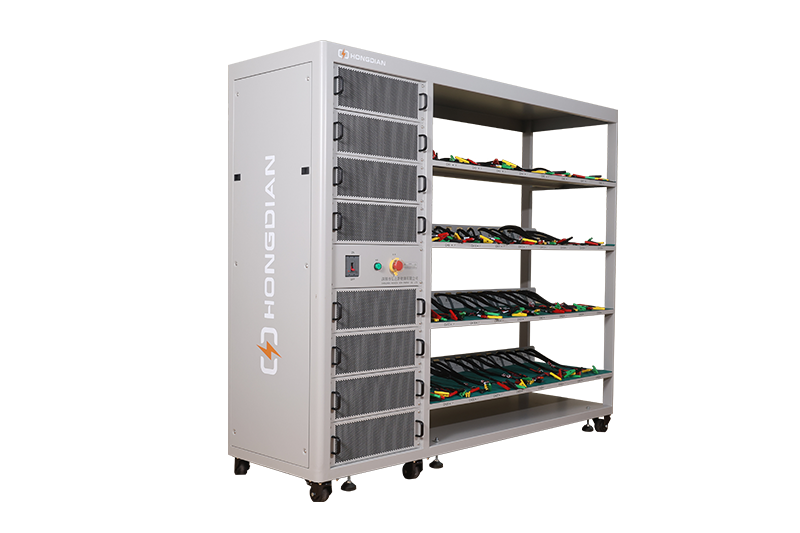 32/48 channel battery charging and discharging test integrated battery cabinet
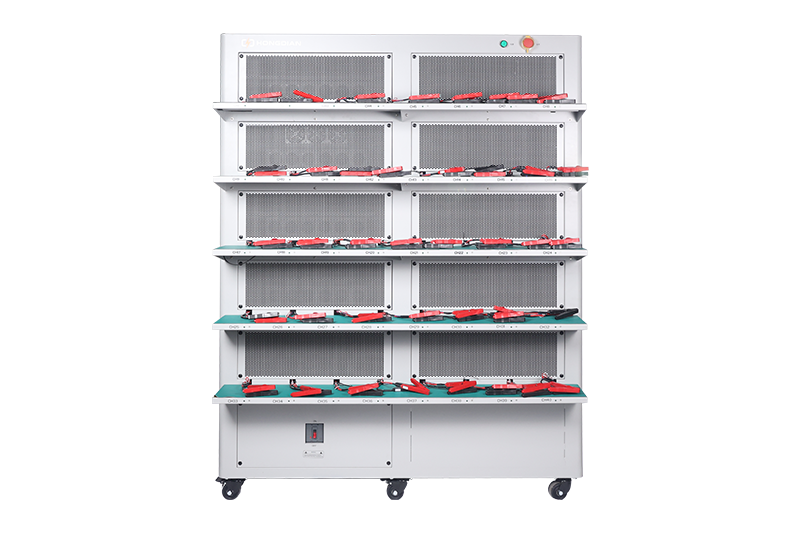 40 channel battery charging and discharging test integrated battery cabinet
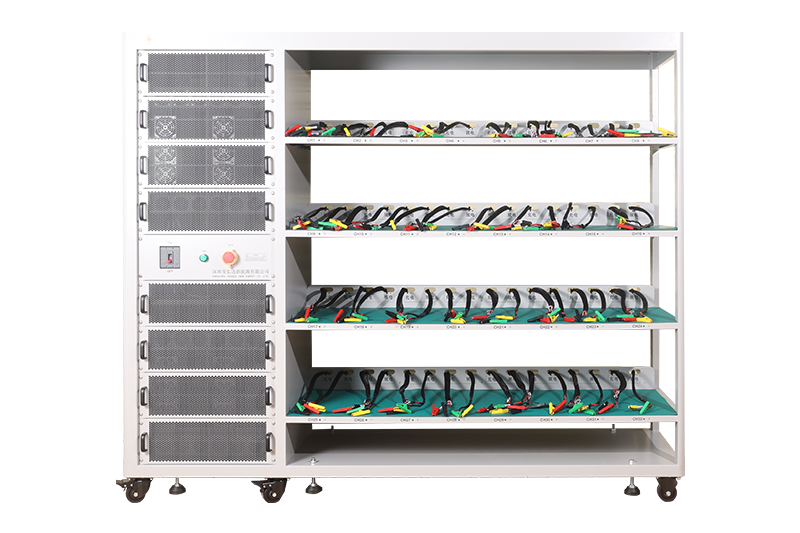 64 channel battery charging and discharging test integrated battery cabinet
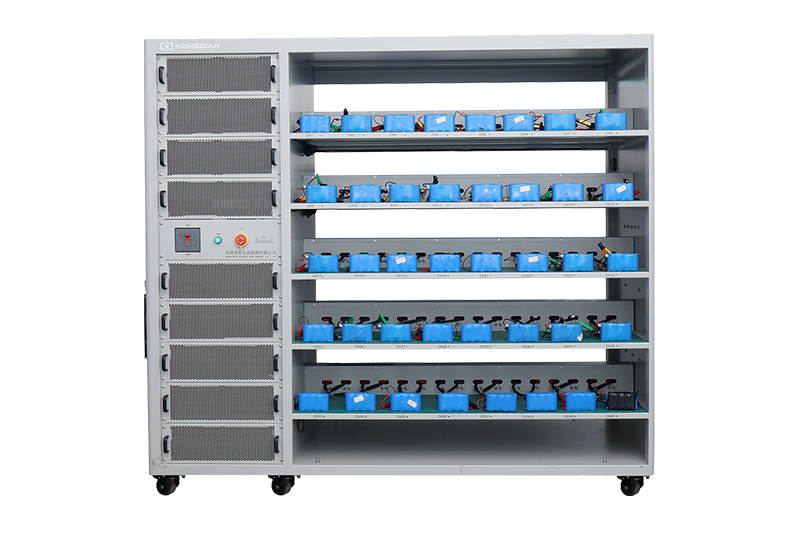 80 channel battery charging and discharging test integrated battery cabinet
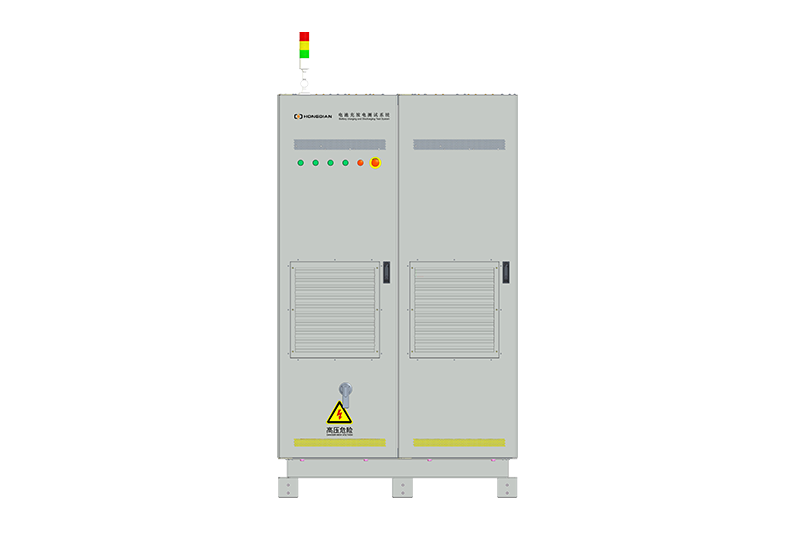 1000V-1500V High Voltage High Current Battery Testing System
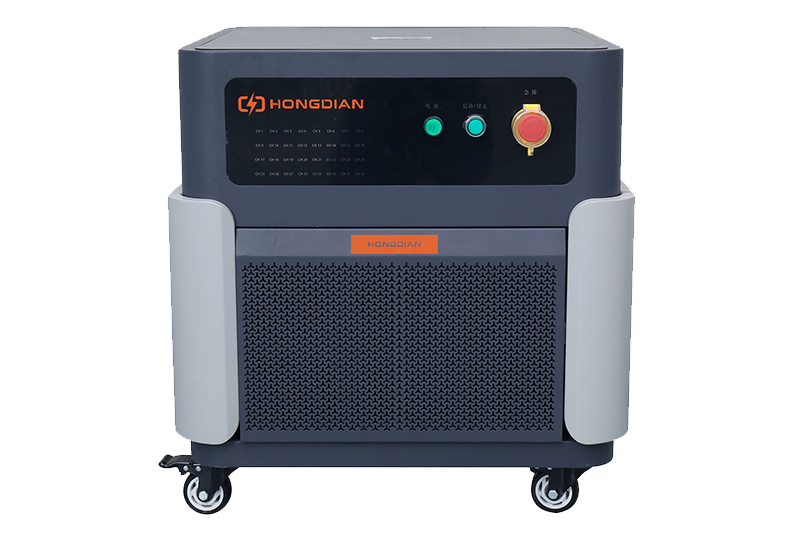 High-Precision Battery Testing System for Enhanced Performance Monitoring 30V/60V/100V/120V
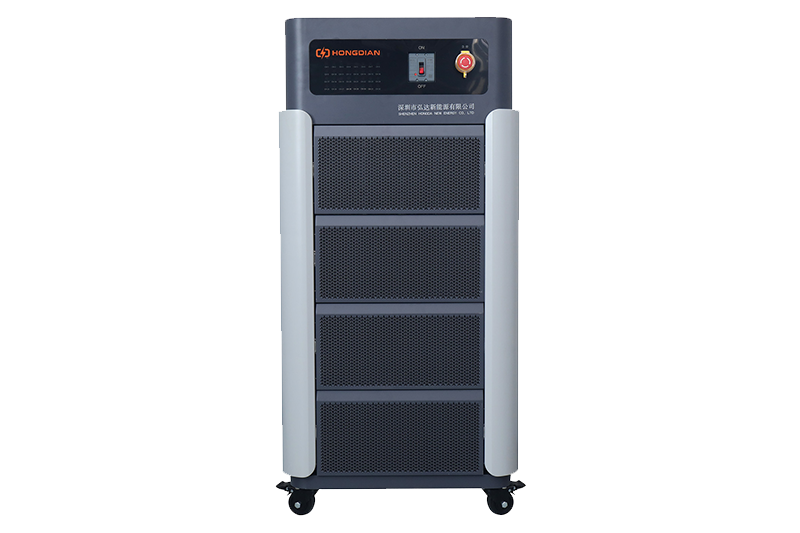 High-Precision Battery Charge Discharge Test Systems for EV Manufacturers
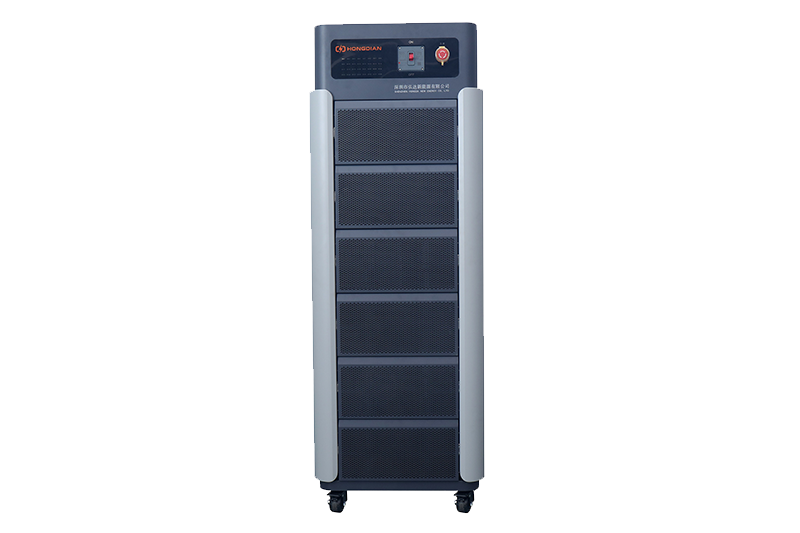 Precision Battery Test Racks for Cell Capacity & Internal Resistance Measurement
 Multi-Channel Battery Testing Equipment for Parallel Performance Analysis