What is a Battery Load Tester and How Does It Work?
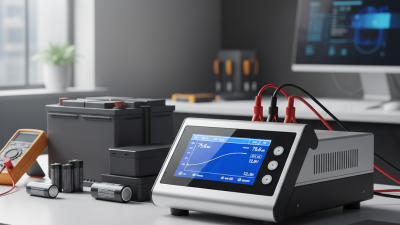
A Battery Load Tester is an essential tool for anyone working with automotive or industrial batteries. According to recent industry data, nearly 30% of battery failures are attributed to inadequate testing and maintenance. This indicates the importance of properly assessing battery health. A Battery Load Tester evaluates the capacity and charge of a battery under a simulated load. It helps identify weak batteries before they fail, potentially preventing breakdowns.
In the automotive sector alone, research shows that poor battery performance costs consumers billions annually. A reliable Battery Load Tester can mitigate these losses by providing accurate readings. Users must understand how to interpret these tests. A battery passing a load test does not guarantee it will function flawlessly in all situations. Awareness of these limitations is crucial.
Moreover, improper usage of a Battery Load Tester can lead to inaccurate results. This highlights the need for training. Users often assume they understand their devices, yet many overlook key operational aspects. Investing in quality testing equipment and proper education is vital for long-term reliability.
What is a Battery Load Tester?
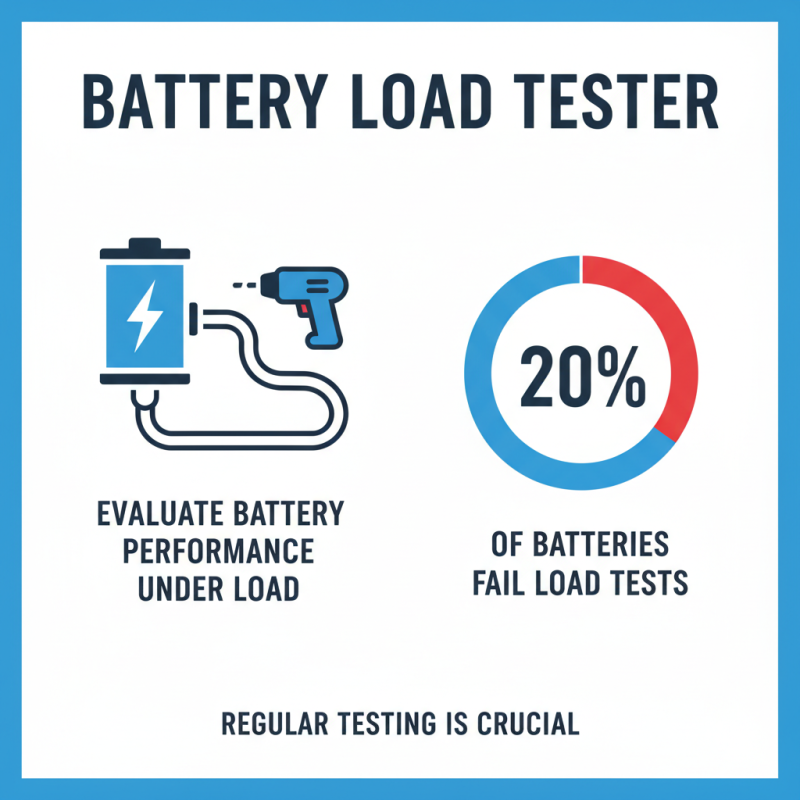
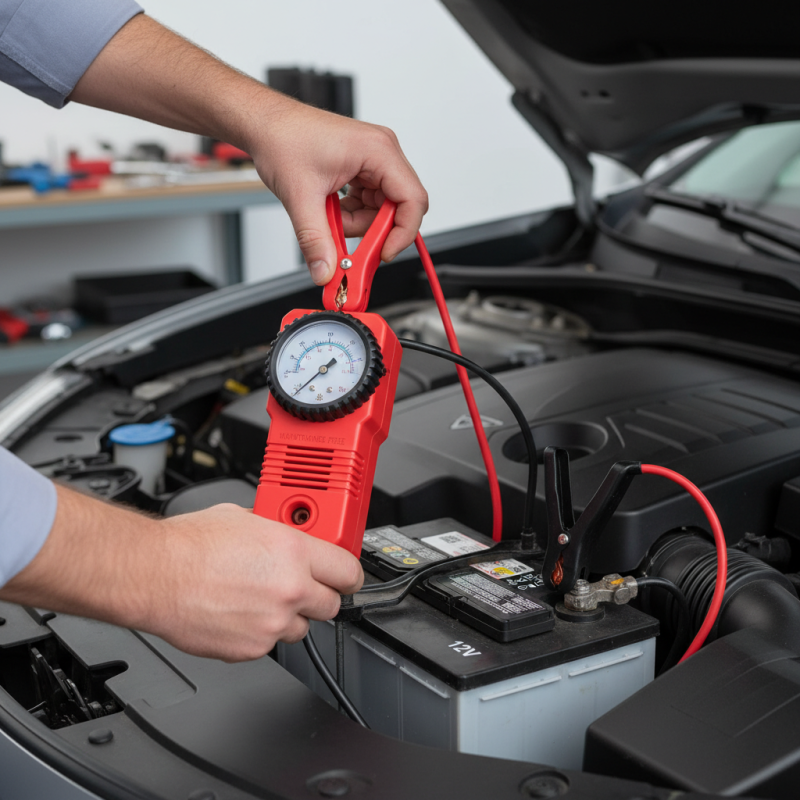
A battery load tester is a device used to evaluate the performance of a battery under load conditions. This tool simulates the energy demands that a battery faces during operation. By applying a specified load, it measures how well the battery can deliver power. Reports from industry experts highlight that about 20% of batteries fail under load tests, indicating the importance of regular testing.
Understanding how a battery performs under real-life situations is crucial. Many vehicles rely on strong battery performance. A load tester can quickly determine if a battery can start an engine. Batteries usually have a limited lifespan, and their performance can degrade over time. Although a battery may show full charge on a voltmeter, it may still struggle under heavy load.
Several studies suggest that aging batteries lose about 30% of their capacity after three years. Inconsistent performance can lead to unexpected failures. Regular testing can help identify weak batteries before they fail completely. This proactive approach can prevent inconvenient breakdowns and save time and money. Load testing is an essential part of battery maintenance in various industries, including automotive and renewable energy.
Understanding the Components of a Battery Load Tester
A battery load tester is an essential tool for assessing battery health. It consists of key components like a load resistor, an ammeter, and a voltage meter. These parts work together to simulate the battery's use during real-life conditions. The load resistor creates a specific load, typically 20-40% of the battery's rated capacity. This helps evaluate its performance effectively.
When testing, the voltage meter reads the battery voltage under load. A healthy battery will maintain a voltage above a certain threshold, commonly around 9.6 volts for a 12V battery. If the voltage drops significantly, it indicates a potential issue.
Tips: Regular testing can extend battery life. Aim for biannual tests. Tracking your battery’s performance data can also reveal patterns. If the load tester shows inconsistent results, consider a deeper inspection. Sometimes, issues lie within the connections or other parts of the electrical system. Keep your tools calibrated; accuracy is crucial.
Observations show many users overlook the importance of maintenance. Ensuring clean terminals and proper connections enhances testing accuracy. Remember, understanding how each component works can lead to better battery management. Don't just rely on one test; establish a routine for comprehensive monitoring.
How to Use a Battery Load Tester Effectively
Using a battery load tester effectively is crucial for maintaining your vehicle's battery health. Start by ensuring the tester is compatible with your battery type. Read the manufacturer’s instructions carefully for a better understanding of the device. Always wear safety gear when working with batteries. This protects you from acid spills and other hazards.
Before testing, fully charge the battery. A partially charged battery may yield misleading results. Connect the tester’s clamps to the battery terminals: the red to positive and the black to negative. Then, follow the prompts on the tester. Monitor the readings closely. A significant drop during the test indicates a weak battery.
**Tips:** Always test at room temperature for accurate results. If your battery fails, consider testing it again after charging fully. Regular testing can prevent unexpected breakdowns. Remember, a battery may not show visible signs of trouble. Stay proactive to ensure reliability.
Interpreting Results from a Battery Load Test
Interpreting the results from a battery load test is crucial for understanding battery health. A load test simulates the conditions a battery experiences in use. During the test, a significant load is applied for a short duration, usually 15 seconds. The voltage drop is monitored closely. If the voltage drops significantly under the load, the battery may be weak.
After the test, interpreting the voltage readings becomes essential. A healthy battery will maintain a certain voltage level. If the reading falls below 9.6 volts at a load weight, that's a red flag. It might signify that the battery is nearing the end of its life. Some might overlook this. However, ignoring these signals could lead to unexpected failures during critical times.
Understanding the results also involves considering other factors. Age, temperature, and usage patterns affect battery performance. Even a good-looking battery may fail under load. It’s important to have realistic expectations. Monitoring and regular testing can help. Yet, sometimes results might not match what we hope for. Being prepared for unexpected outcomes is wise. Always gauge the needs of your vehicle or device wisely.
Battery Load Testing Results
The following chart illustrates the performance of a battery under different load conditions. The voltage drop is measured during a battery load test to determine its health and capacity. A healthy battery should maintain a voltage above 12.4V under load.
Benefits of Regularly Testing Your Battery with a Load Tester
Regularly testing your battery with a load tester can prevent unexpected failures. It helps identify weak or aging batteries before they fail. A functioning battery is crucial for your vehicle. Testing it every few months can extend its life.
Load testers apply a specific load to the battery. This simulates real-world conditions. By observing the battery's voltage drop, you can evaluate its health. If the drop is significant, it may be time for a replacement. A straightforward process can save you from inconvenient breakdowns.
Additionally, a consistent testing routine can enhance your safety. Imagine being stranded on a cold night due to a dead battery. It's an unpleasant scenario, especially if you're unprepared. Reflecting on past experiences might motivate proactive measures. Testing your battery helps you stay ahead of potential issues.
What is a Battery Load Tester and How Does It Work? - Benefits of Regularly Testing Your Battery with a Load Tester
| Parameter |
Value |
| Load Test Type |
Conductance |
| Test Voltage |
12V |
| Typical Load |
Half of CCA (Cold Cranking Amps) |
| Test Duration |
10-15 seconds |
| Normal Voltage Range |
12.4V - 12.7V |
| Bad Battery Indication |
Below 12.0V |
| Typical Life Span of a Battery |
3-5 years |
| Benefits of Regular Testing |
Prevents unexpected failures, ensures reliability, extends battery life |

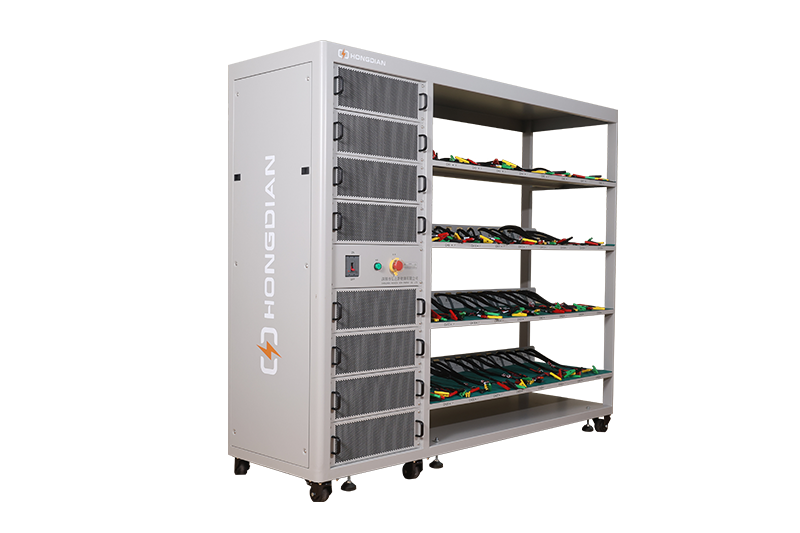 32/48 channel battery charging and discharging test integrated battery cabinet
 40 channel battery charging and discharging test integrated battery cabinet
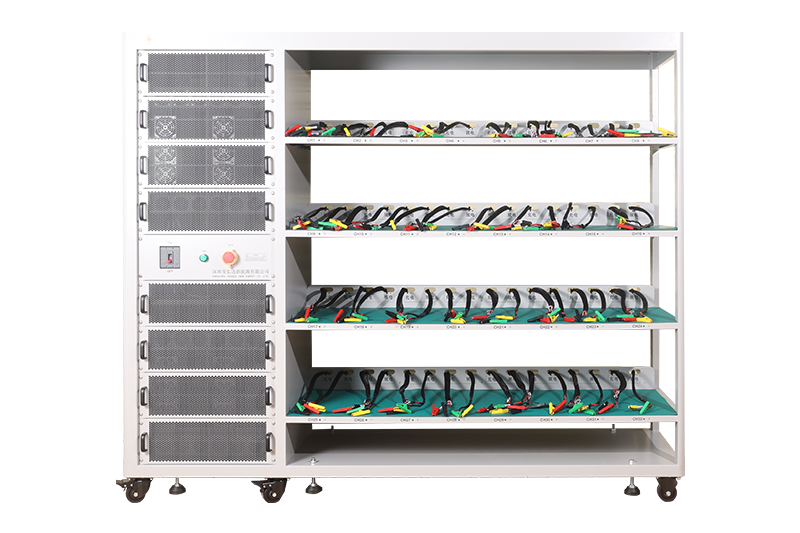 64 channel battery charging and discharging test integrated battery cabinet
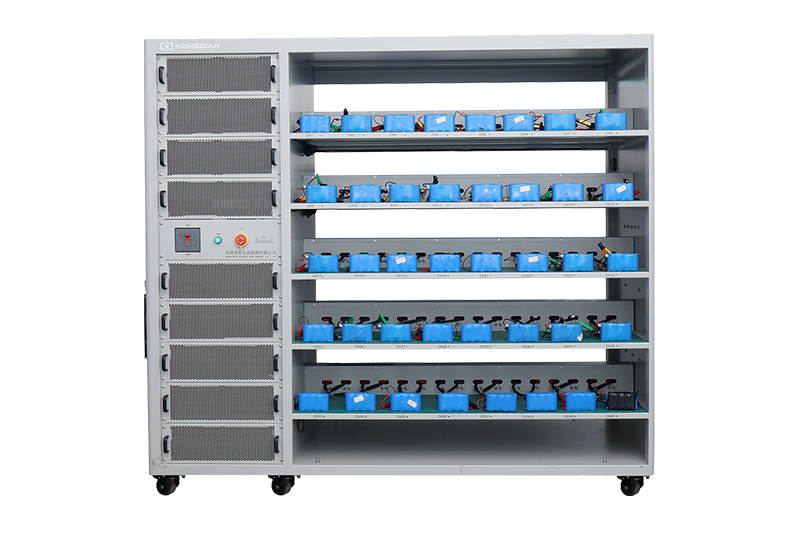 80 channel battery charging and discharging test integrated battery cabinet
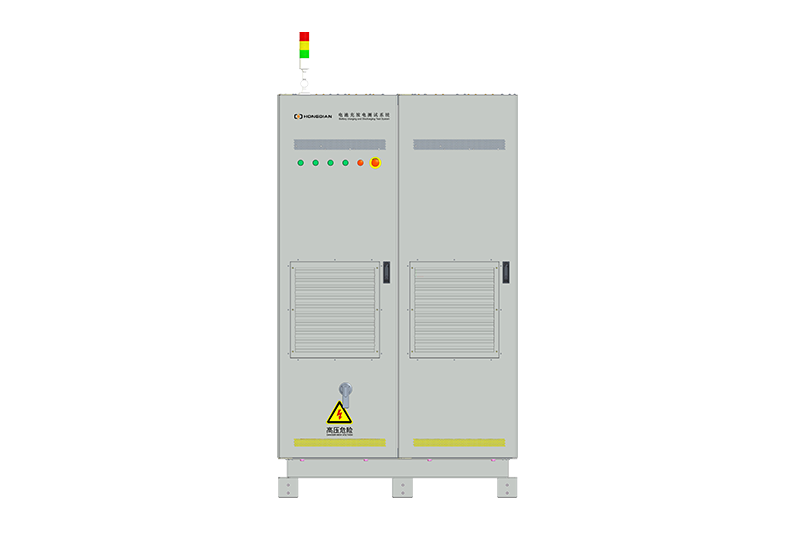 1000V-1500V High Voltage High Current Battery Testing System
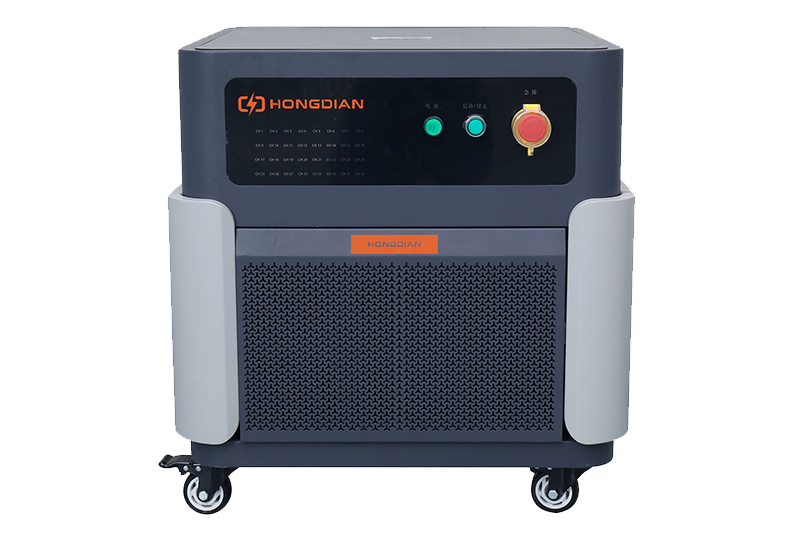 High-Precision Battery Testing System for Enhanced Performance Monitoring 30V/60V/100V/120V
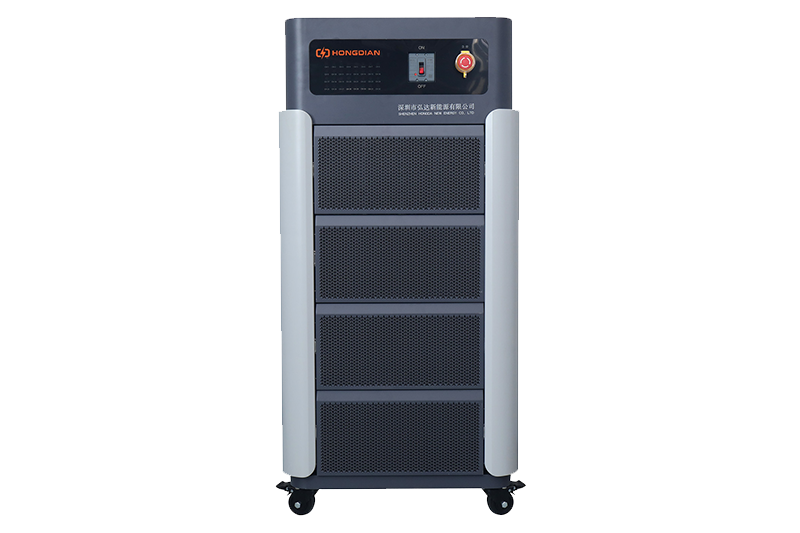 High-Precision Battery Charge Discharge Test Systems for EV Manufacturers
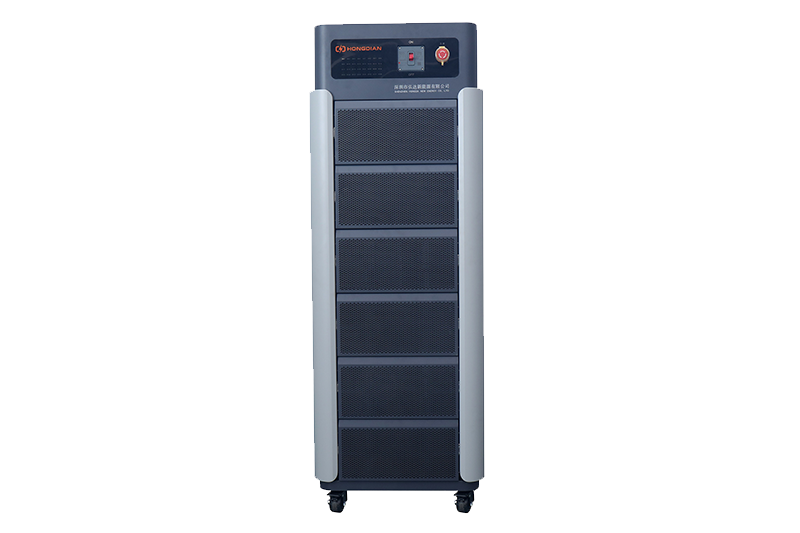 Precision Battery Test Racks for Cell Capacity & Internal Resistance Measurement
 Multi-Channel Battery Testing Equipment for Parallel Performance Analysis