Top Battery Checking Machine Tools for Efficient Performance Testing?
In an era where energy efficiency is paramount, the role of a Battery Checking Machine is crucial. With the global lithium-ion battery market expected to reach $128 billion by 2027, ensuring peak performance through precise testing tools is vital. Studies indicate that over 30% of battery failures can be traced back to inadequate performance checks. This highlights an urgent need for robust checking machines designed for rigorous testing.
Advanced Battery Checking Machines not only enhance efficiency but also streamline production processes. Recent data shows that manufacturers using high-end testing tools increase their output by 20%. However, the industry still faces challenges. Many facilities rely on outdated machines, leading to inaccuracies in performance assessment. This gap can result in significant losses and safety risks, as batteries can underperform or even fail unexpectedly.
Choosing the right Battery Checking Machine is essential for fostering reliability in both consumer and industrial applications. While newer models offer advanced features, some manufacturers hesitate due to high costs. Striking a balance between investment and returns remains a point of reflection. As technology evolves, adapting to modern solutions will become increasingly important for sustained success in the battery sector.
Overview of Battery Testing Machines in Performance Evaluation
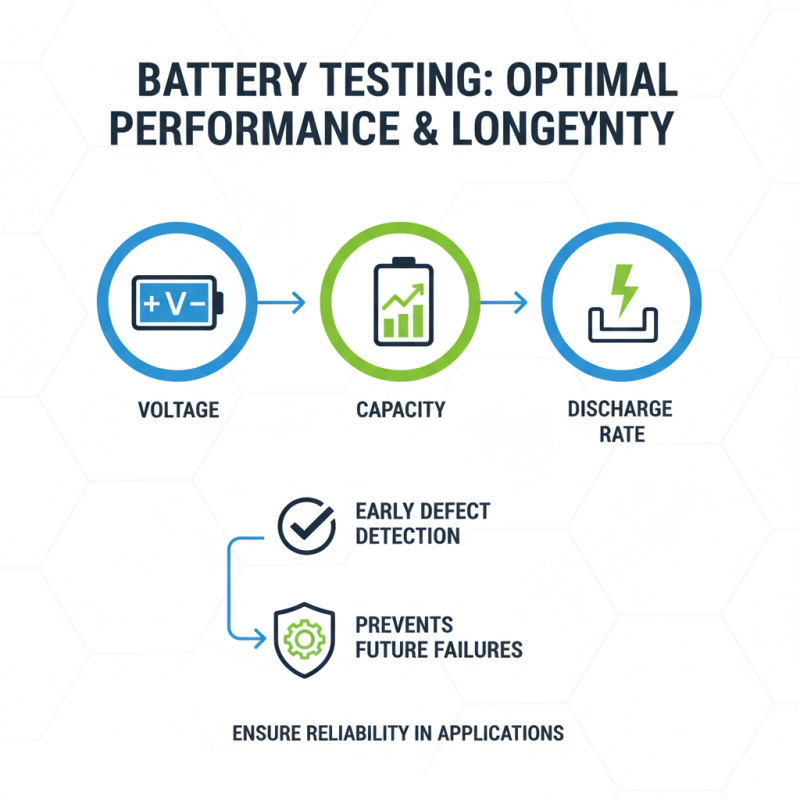
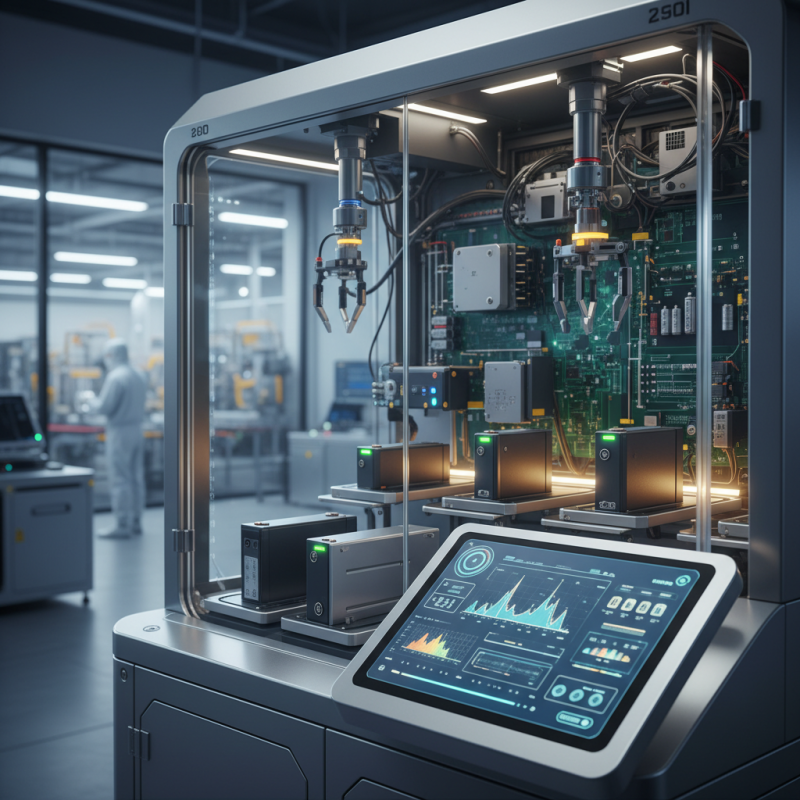
Battery testing is crucial for ensuring performance and longevity. Various battery testing machines exist to evaluate different parameters. These machines check voltage, capacity, and discharge rates. Regular testing helps identify defects early. This can prevent future failures in applications.
Training staff on how to use testing machines is essential. Misuse can lead to inaccurate results. It's important to adhere to guidelines for consistent performance. Inadequate testing can result in catastrophic failures. Each test should be documented thoroughly. This practice allows for better analysis over time.
Many testing machines now offer advanced data analytics. This technology can help visualize performance trends. However, not all models provide comprehensive insights. Some may lack essential features or ease of use. Users must assess their specific needs carefully. Balancing complexity with functionality is vital for effective testing.
Key Features of Top Battery Checking Machine Tools
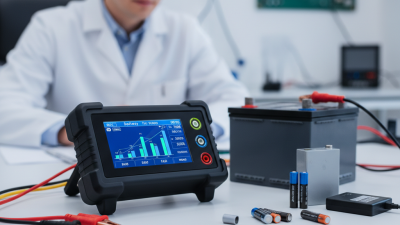
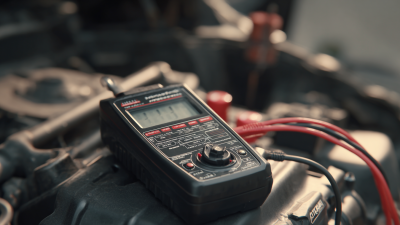
Battery checking machine tools have become essential for ensuring performance efficiency. These tools measure voltage, current, and capacity accurately. Key features include the ability to conduct real-time diagnostics. Users can monitor battery health efficiently. Many devices offer user-friendly interfaces. This makes it easier for technicians to operate them.
Another important feature is the ability to conduct repetitive tests. Consistency in testing leads to reliable data. However, some machines may struggle with compatibility issues. It’s necessary to check if the device can work with various battery types. Compact design is also a valued aspect. Portable devices allow for testing in diverse environments. This flexibility can greatly improve workflow.
One must consider the calibration process. An inaccuracy here can lead to misleading results. Regular maintenance is crucial, too. Neglecting this can shorten the lifespan of the machine. Overall, a balance between usability and reliability is vital. Continuous improvements in technology may address current limitations. However, the need for practical and durable designs remains a challenge.
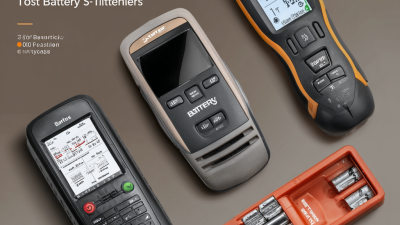
Top Battery Checking Machine Tools Performance Comparison
Comparison of Different Battery Testing Technologies
Battery testing technologies are diverse and crucial for evaluating performance effectively. Different machines offer various capabilities, from basic voltage checks to sophisticated impedance measurements. Each method has its strengths and weaknesses. For instance, some machines excel in quick and simple tests, while others provide in-depth analysis but require more time and skill to operate.
Tips: Always analyze the testing needs before selecting a machine. Consider the volume of tests and the required accuracy.
One common method is electrochemical testing. It provides insights into battery health. However, this approach may be complicated and not suitable for all users. On the other hand, digital multimeters offer simplicity but lack detailed diagnostics. Each technology presents unique challenges, which can lead to incomplete assessments if not understood properly.
Tips: Regular calibration and maintenance of testing tools enhance accuracy. Set reminders to review testing processes.
Ultimately, finding the right battery testing technology is not straightforward. It demands careful evaluation of specific requirements and the proficiency level of the user. Balancing between efficiency and depth is essential for effective battery testing.
Best Practices for Using Battery Testing Equipment
When using battery testing equipment, best practices are essential for accurate results. Start with proper setup. Ensure that connections are secure and free from corrosion. The environment must be stable; avoid high humidity and extreme temperatures, as they can affect readings.
Calibration is crucial. Regularly check your equipment against known standards. Many testers can drift over time. It’s important to note that even minor inconsistencies can lead to significant errors in testing. Always document your calibration process and results.
Lastly, analyze your data critically. Look for anomalies that require further investigation. Don’t assume all results are correct. Understanding the limitations of your equipment is vital. Mistakes happen, and revisiting your methods can improve future tests.
Top Battery Checking Machine Tools for Efficient Performance Testing
| Tool Name |
Battery Type |
Measurement Capability |
Key Features |
Ideal Use Case |
| Digital Battery Analyzer |
Lead-Acid |
12V, 24V |
Load Testing, Voltage Display |
Automotive Repairs |
| BMS Test Equipment |
Lithium-Ion |
Cell Voltage Measurement |
Data Logging, Communication Testing |
Electric Vehicles |
| Battery Capacity Tester |
Nickel-Cadmium |
Capacity and Resistance |
Rapid Discharge Testing |
Power Tools |
| Impedance Meter |
All Types |
Impedance Analysis |
Non-Destructive Testing |
Battery Maintenance |
| Charger Tester |
Lead-Acid, Lithium |
Output Voltage and Current |
Efficiency Measurement |
Battery Charging Stations |
Future Trends in Battery Testing Machine Innovations
The battery testing landscape is evolving rapidly. Recent reports suggest the market for battery testing machines is expected to grow by 20% annually. Innovations are increasingly driven by the need for efficient, reliable performance assessments. New testing machines are incorporating advanced algorithms for real-time diagnostics, enhancing accuracy in performance predictions.
Future trends are pointing towards automation and AI integration. Automated machines can process data swiftly, identifying issues early in development stages. This shift is crucial as it reduces time to market. However, reliance on automated systems raises concerns about data interpretation. Machines might miss subtle variations that a human expert could catch.
Moreover, sustainability is becoming a priority. There's a push for designing machines that minimize waste during testing processes. Many companies are reevaluating their methodologies to align with eco-friendly practices. Still, achieving a balance between efficiency and sustainability poses a challenge. Industry players are rethinking the entire testing cycle, looking for smarter, greener ways to ensure battery reliability.

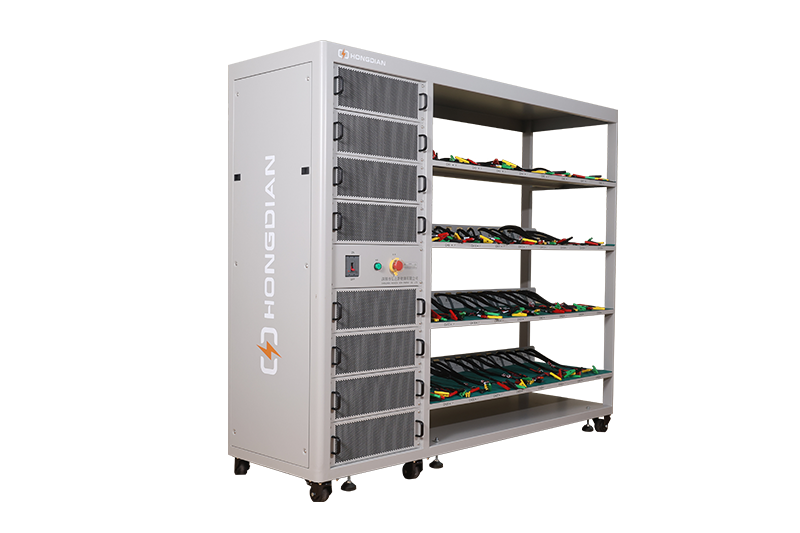 32/48 channel battery charging and discharging test integrated battery cabinet
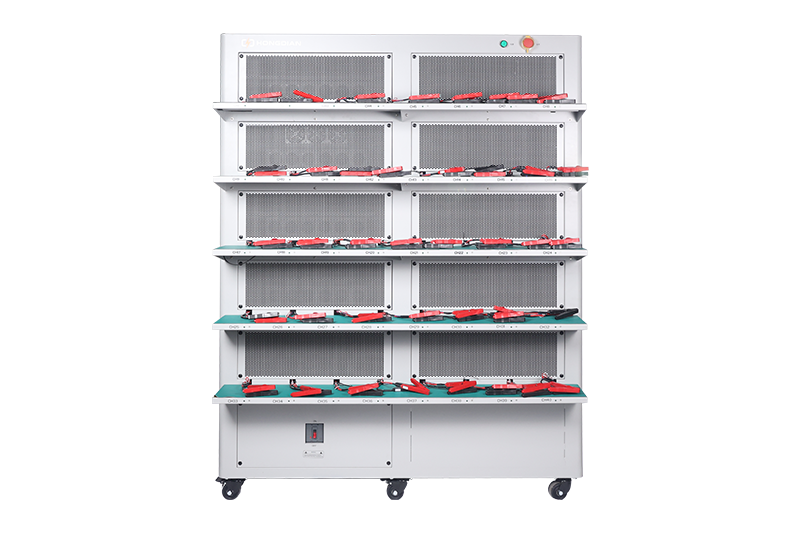 40 channel battery charging and discharging test integrated battery cabinet
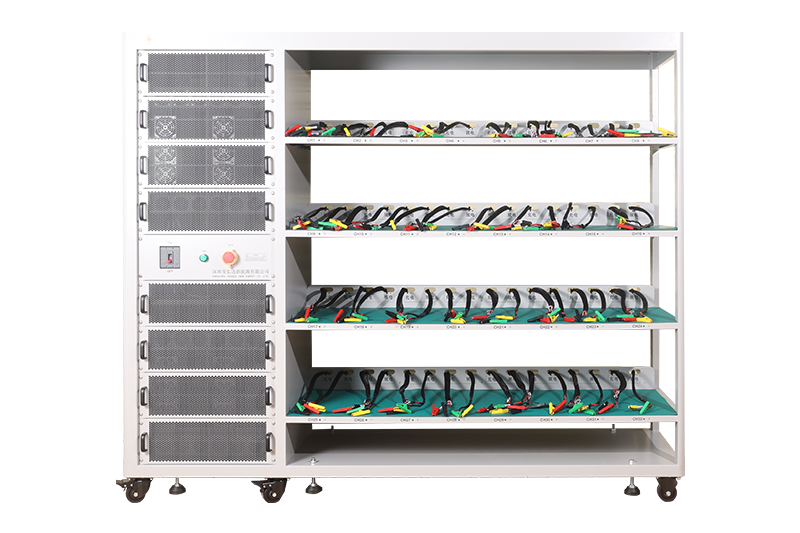 64 channel battery charging and discharging test integrated battery cabinet
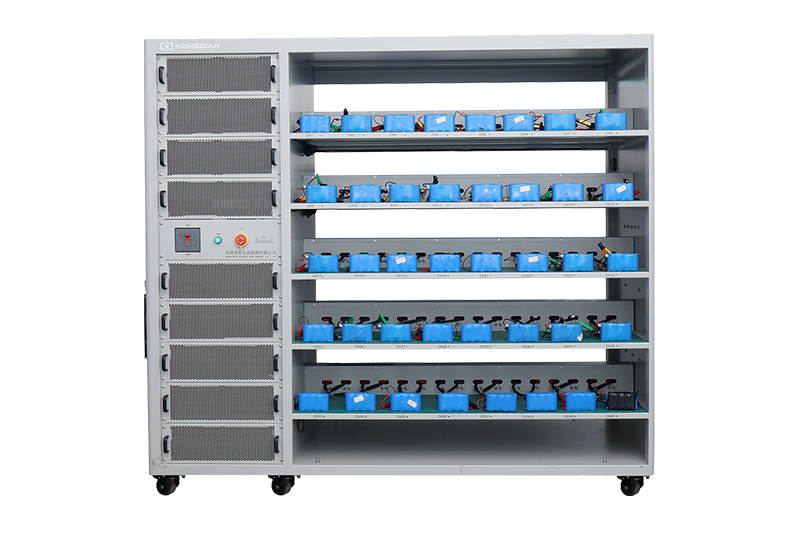 80 channel battery charging and discharging test integrated battery cabinet
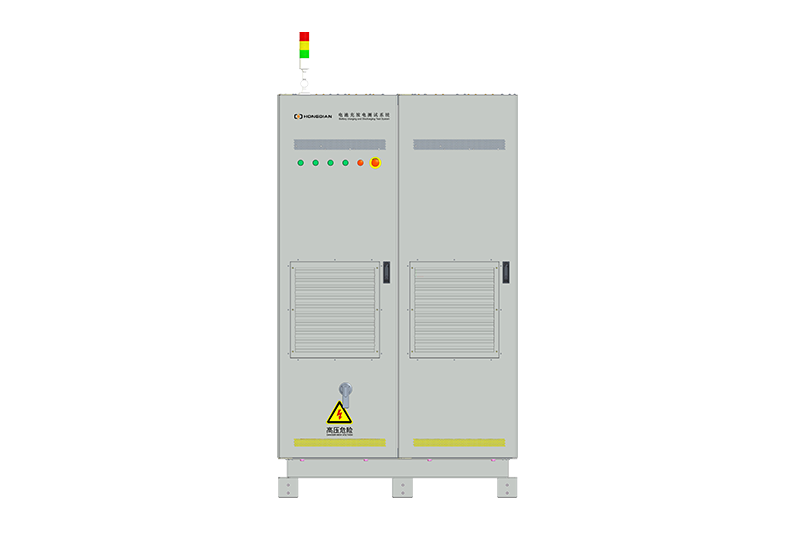 1000V-1500V High Voltage High Current Battery Testing System
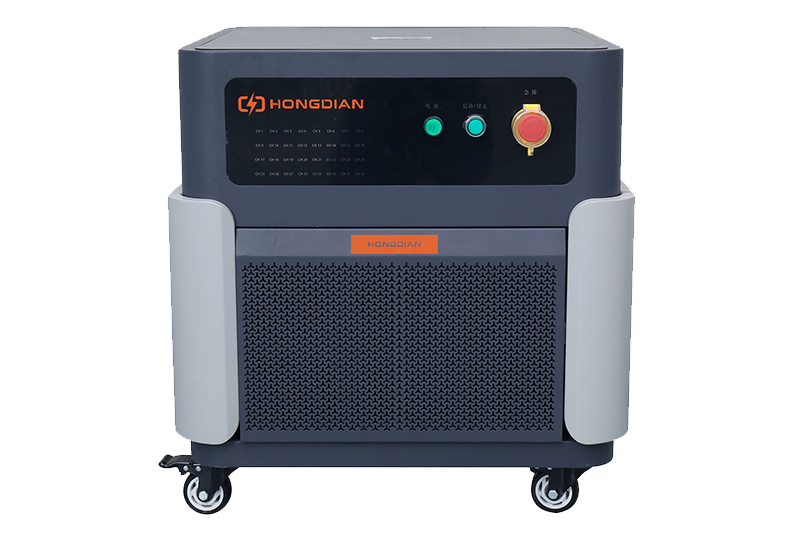 High-Precision Battery Testing System for Enhanced Performance Monitoring 30V/60V/100V/120V
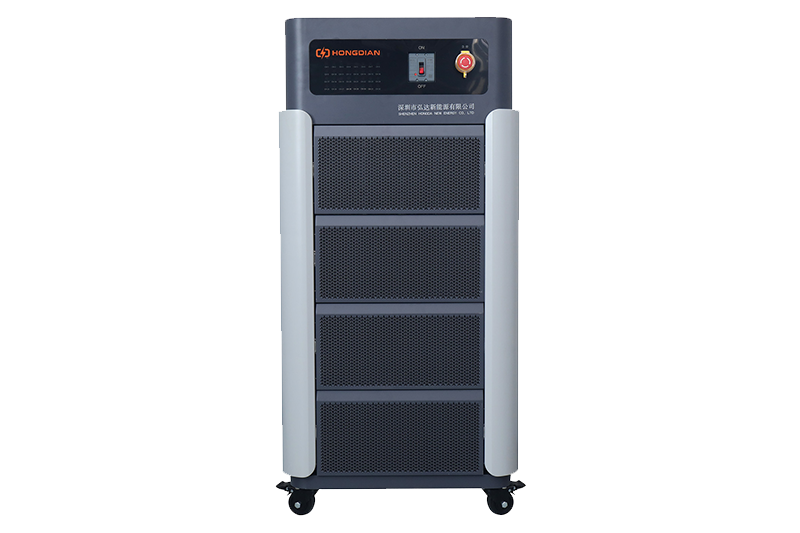 High-Precision Battery Charge Discharge Test Systems for EV Manufacturers
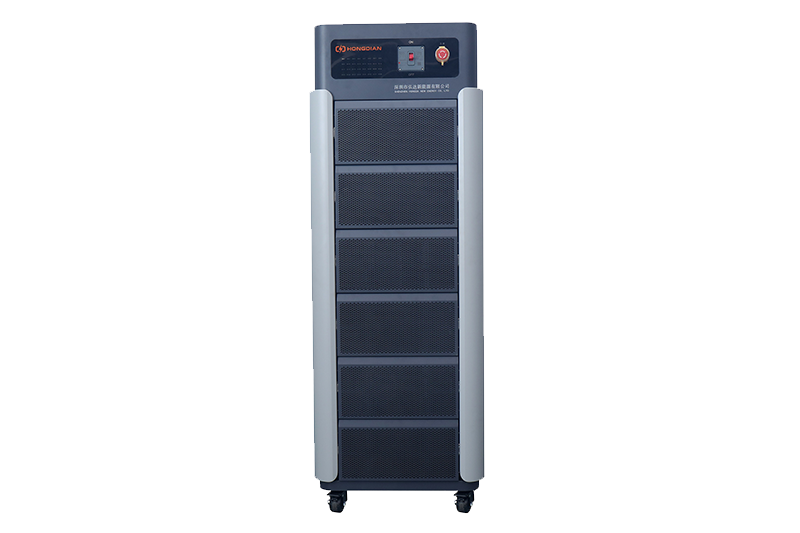 Precision Battery Test Racks for Cell Capacity & Internal Resistance Measurement
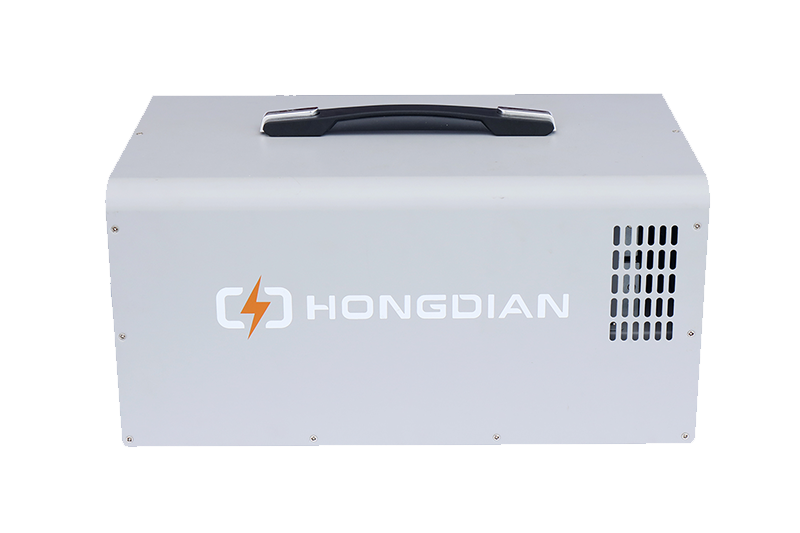 Multi-Channel Battery Testing Equipment for Parallel Performance Analysis