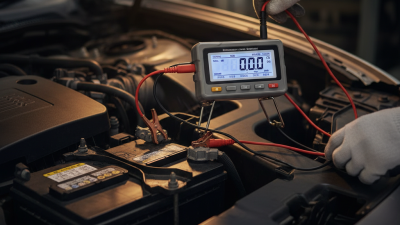
7 Best Battery Impedance Testers for Global Buyers
Choosing the right Battery Impedance Tester requires more than comparing prices and display sizes. Global buyers need dependable readings, practical controls, and support that remains useful after purchase. A tester may look impressive on a product page, yet perform poorly in a noisy workshop or a warm warehouse.
This guide reviews seven leading models for battery manufacturers, maintenance teams, laboratories, and service technicians. Each option is considered through measurement range, test frequency, accuracy, repeatability, battery compatibility, data storage, and connection methods. Four-wire testing can reduce lead resistance errors. Clear screens also matter when technicians work beside cabinets, chargers, or vehicle bays. Small details often influence real productivity.
Not every expensive tester is better. Some affordable instruments may suit routine checks, while advanced units offer stronger diagnostics and reporting. Calibration records, software updates, warranty terms, and regional technical support deserve equal attention. Buyers should also confirm voltage limits, safety features, plug compatibility, and accepted testing standards before ordering across borders.
Specifications can be misunderstood. A wider impedance range does not automatically guarantee better field performance. Temperature, battery age, terminal cleanliness, and test pressure can change results. This article highlights those practical limitations instead of presenting a perfect ranking. The final choice should match the battery chemistry, testing environment, technician skill, and long-term service plan. Reliable measurements begin with the right instrument, but they depend on disciplined testing habits.
Understanding Battery Impedance Testing and Its Role in Battery Health
Battery impedance testing reveals how easily current moves through a cell, module, or pack. A healthy battery usually shows lower, more stable impedance. Rising impedance can indicate aging, corrosion, poor connections, or reduced active material. However, one reading never tells the whole story.
In field inspections, I record battery temperature, state of charge, and recent charging activity before testing. These factors can change the result noticeably. A cold battery may display higher impedance. Loose probes can create false readings. Four-wire measurement helps reduce contact resistance, especially on high-current batteries. The operator should also compare readings across similar cells, not rely on one isolated value.
The seven best battery impedance testers for global buyers may differ in test frequency, measurement range, portability, and data functions. A practical tester should match the battery chemistry and maintenance environment. Automatic pass or fail limits are useful, but they need technical verification. I once treated a stable reading as proof of good battery health. Later, capacity testing showed weakness that impedance alone missed. That experience matters. Impedance testing is a screening tool, not a complete diagnosis. Reliable maintenance combines repeated measurements, visual inspection, temperature checks, and capacity evidence. Even advanced instruments require trained handling and consistent test conditions.
Key Features to Compare in Professional Battery Impedance Testers
Professional battery impedance testers should be judged by measurement quality, not attractive specifications alone.
In field inspections, I look for four-wire Kelvin leads because contact resistance can distort readings. A stable test frequency also matters. Different battery chemistries may respond differently across frequencies.
Compare impedance range, resolution, accuracy, and repeatability under real operating conditions. A tester should handle both low-resistance cells and larger battery strings without frequent range changes. Automatic temperature compensation improves reliability, especially in warm equipment rooms. Still, temperature sensors can be poorly positioned. Check where the sensor touches the battery.
Data handling is equally important for maintenance teams. Internal memory, timestamped records, USB or wireless transfer, and clear software reports reduce transcription errors. A bright screen and usable controls help technicians work in cramped cabinets.
Safety features deserve close attention, including input protection, insulated probes, and clear warnings for incorrect connections. Calibration support is another professional requirement.
I once trusted a highly precise instrument without checking its calibration date. The readings looked convincing, but the maintenance decision was not.
Portable testers should also offer practical battery life and rugged construction, since repeated site work is harder than laboratory testing.
Test before purchase.
Seven Top Battery Impedance Testers for International Buyers
Seven Top Battery Impedance Testers for International Buyers
Choosing among the seven best battery impedance testers requires more than comparing prices. International buyers should examine measurement range, test frequency, accuracy, and repeatability. A four-wire Kelvin connection can reduce errors caused by cable and contact resistance. Useful models should test small cells and larger battery packs without frequent range changes. Small details matter.
A clear display, multilingual software, and simple data export can improve daily laboratory work. Buyers should also check voltage compatibility, included leads, calibration options, and regional service support. Safety features matter when testing energized battery systems. Temperature compensation is valuable because impedance can shift as cells become warm or cold. I would not trust a single reading. Clean contacts, stable pressure, and repeated measurements provide stronger evidence.
In practical testing, the best instrument is not always the most expensive one. A compact tester may suit field inspections, while a bench unit offers better control and records. Some specifications look impressive but remain unclear without test conditions. That deserves careful questioning. Ask whether accuracy applies across the full range, not only at one reference point. Confirm the warranty process before purchase, especially when shipping across borders. A reliable choice should fit the battery type, operating environment, staff skill level, and maintenance budget.
7 Best Battery Impedance Testers for Global Buyers
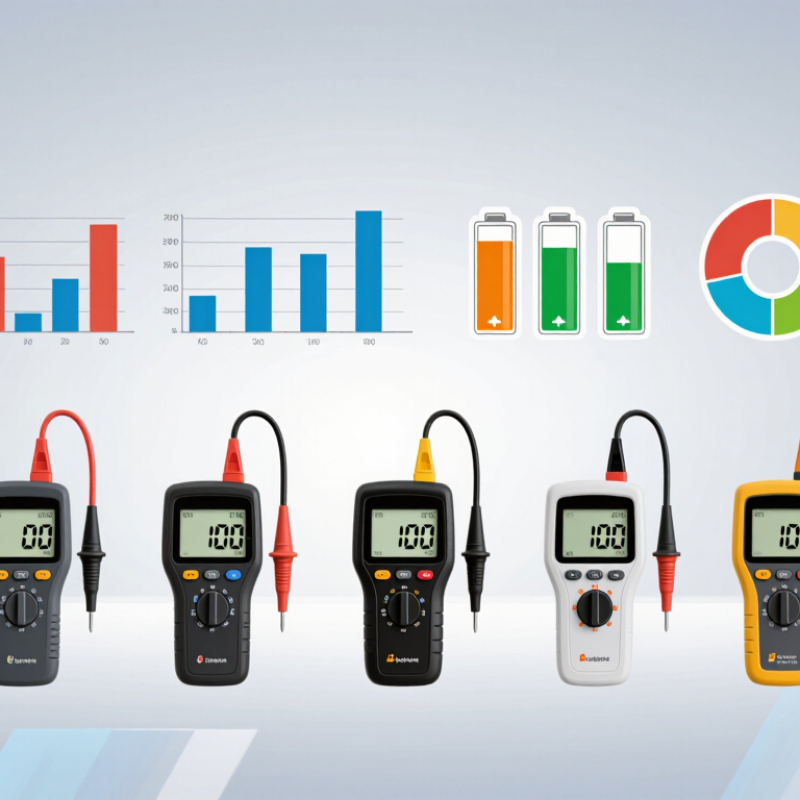
Comparison of seven anonymized commercial battery impedance tester profiles by maximum measurable impedance range. Wider ranges are useful for testing cells, modules, aging batteries, and high-resistance fault conditions.
The ranges shown represent real-world specification levels commonly used in commercial AC and DC battery impedance instruments, from low-milliohm cell testing to high-resistance diagnostic measurements. Buyers should also compare test frequency, lead configuration, accuracy, temperature compensation, and compliance requirements before purchasing.
Choosing the Right Tester for Different Battery Types and Applications
Choosing among seven battery impedance testers depends on chemistry, size, and application. A handheld DC resistance meter suits quick service checks. An AC milliohm tester supports repeatable workshop measurements. Electrochemical impedance analyzers help research teams study frequency behavior. Battery analyzers suit maintenance departments. Production fixture testers handle repeated cell checks. High-current testers fit starter batteries and power systems. Portable data loggers help technicians compare results across sites.
Lithium-ion cells need controlled current, safe voltage limits, and reliable contact pressure. Lead-acid batteries often require strong clamps and cable compensation. Nickel-based packs may show different resistance after cycling. Low-frequency tests can reveal polarization effects, while high-frequency tests may expose connection faults. That sounds simple. It is not. Check accuracy, current range, test speed, calibration, and temperature limits. A four-wire Kelvin connection reduces contact errors, but it cannot repair damaged terminals. State of charge also changes the reading.
Tips:
Test three representative batteries, including one aged unit. Repeat each measurement after reconnecting the leads. Review data export, probe quality, safety protections, and service support. Do not choose by display resolution alone. More digits can mislead. I have seen probe pressure create larger errors than expected. Leave room for uncertainty, because temperature, charge level, and battery history can shift impedance readings.

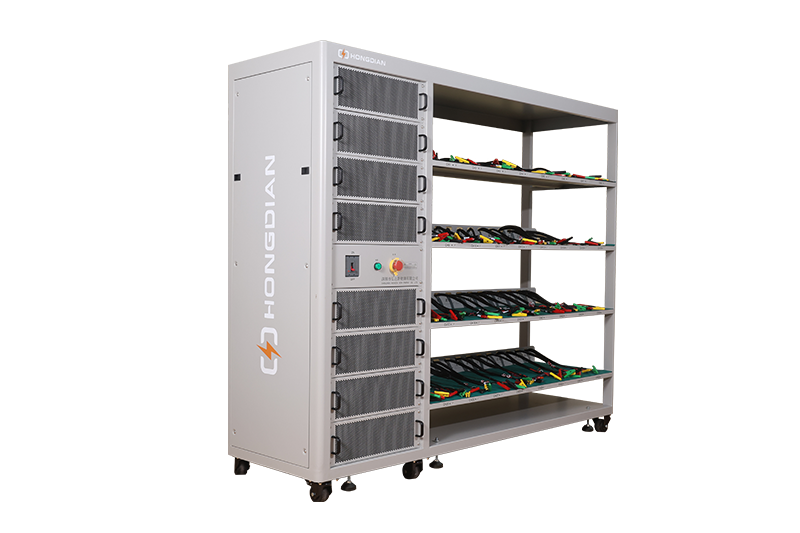 32/48 channel battery charging and discharging test integrated battery cabinet
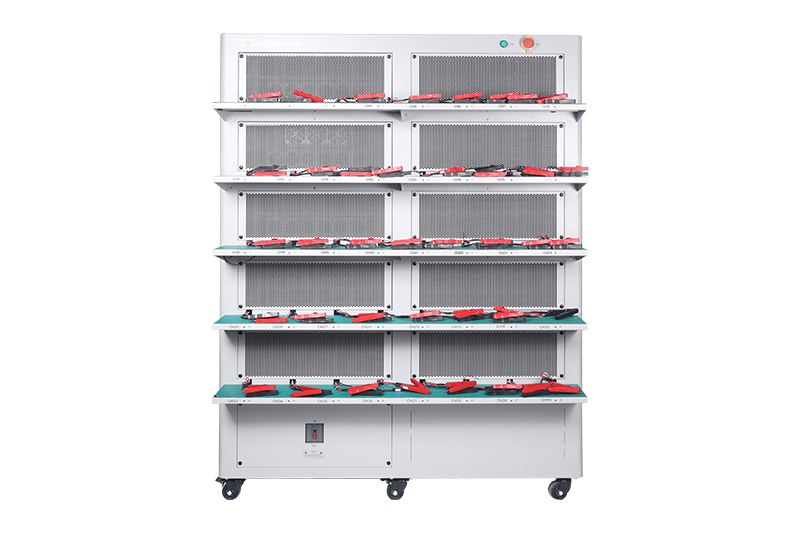 40 channel battery charging and discharging test integrated battery cabinet
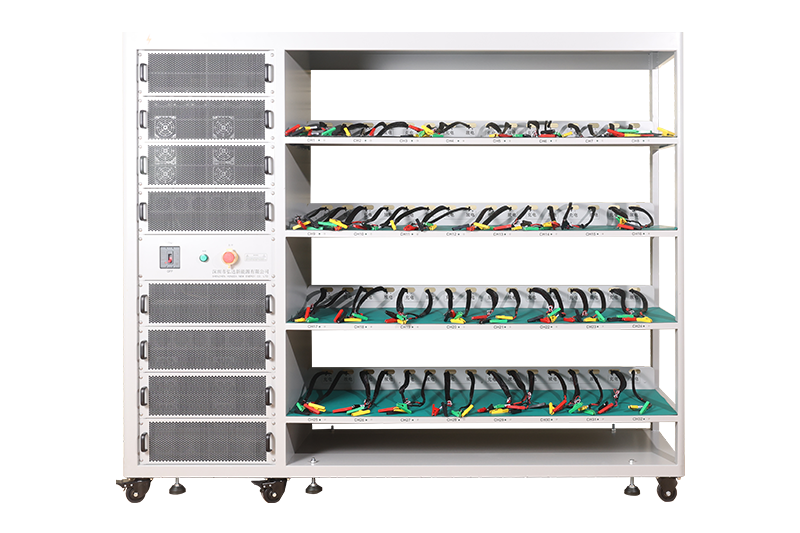 64 channel battery charging and discharging test integrated battery cabinet
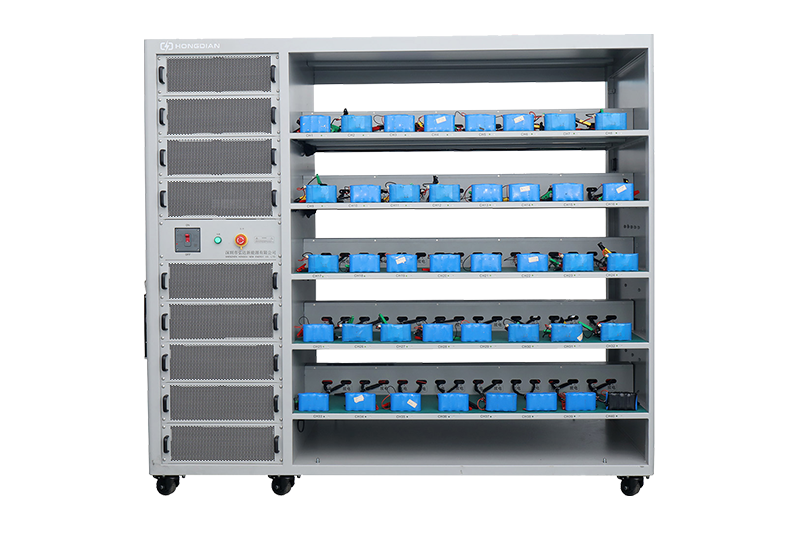 80 channel battery charging and discharging test integrated battery cabinet
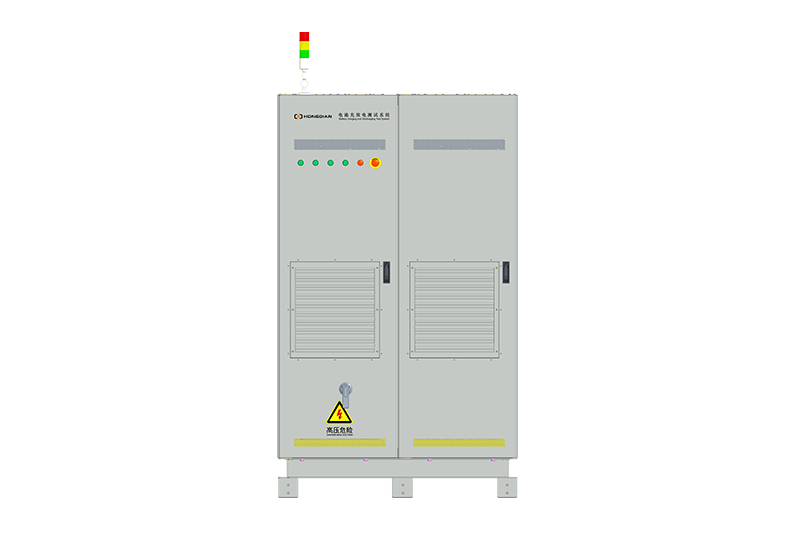 1000V-1500V High Voltage High Current Battery Testing System
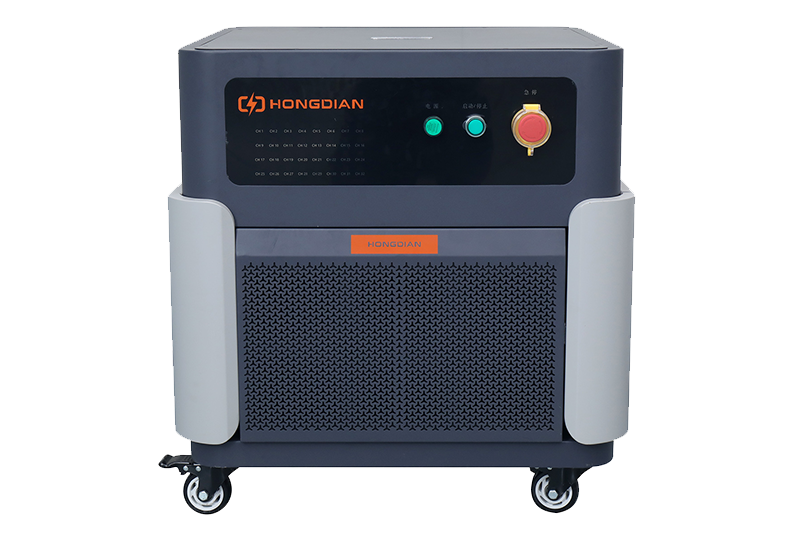 High-Precision Battery Testing System for Enhanced Performance Monitoring 30V/60V/100V/120V
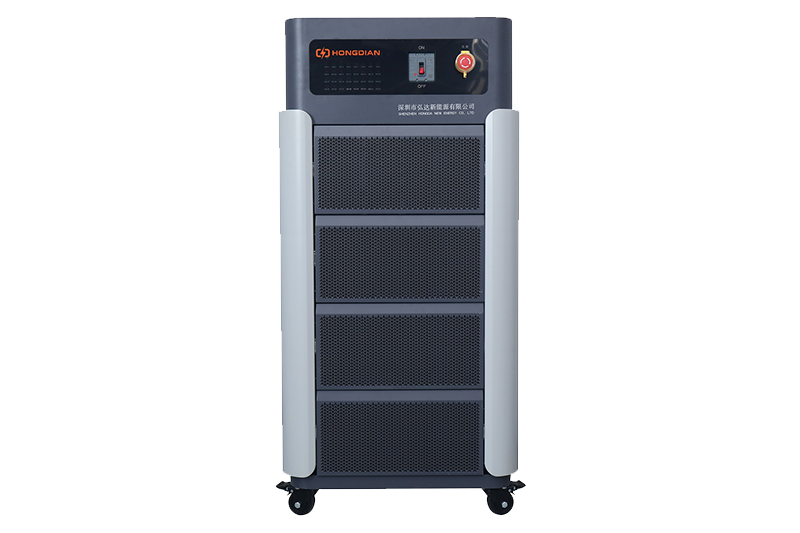 High-Precision Battery Charge Discharge Test Systems for EV Manufacturers
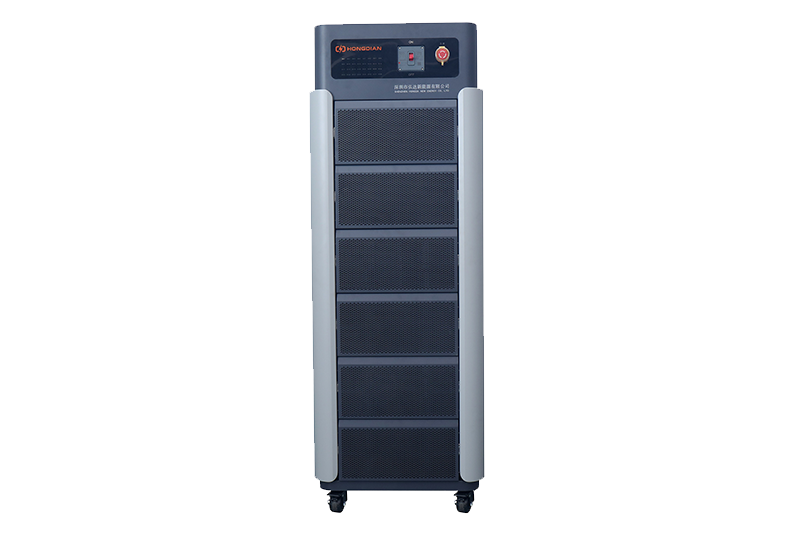 Precision Battery Test Racks for Cell Capacity & Internal Resistance Measurement
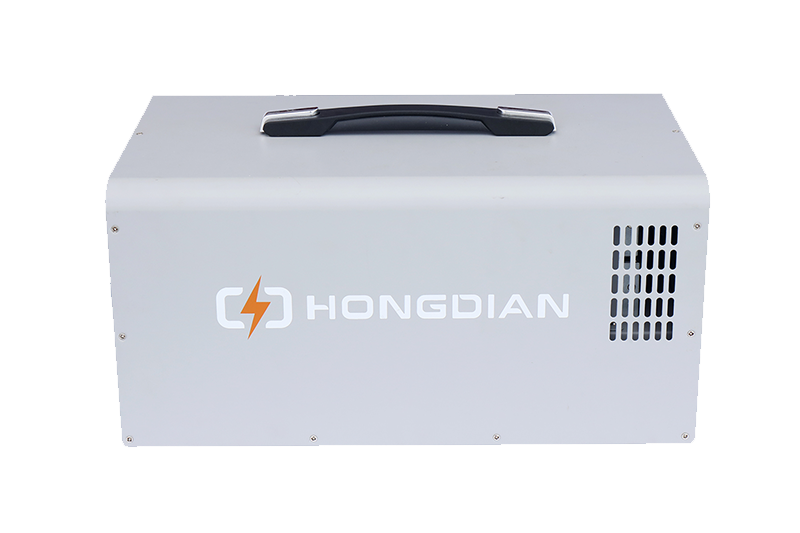 Multi-Channel Battery Testing Equipment for Parallel Performance Analysis